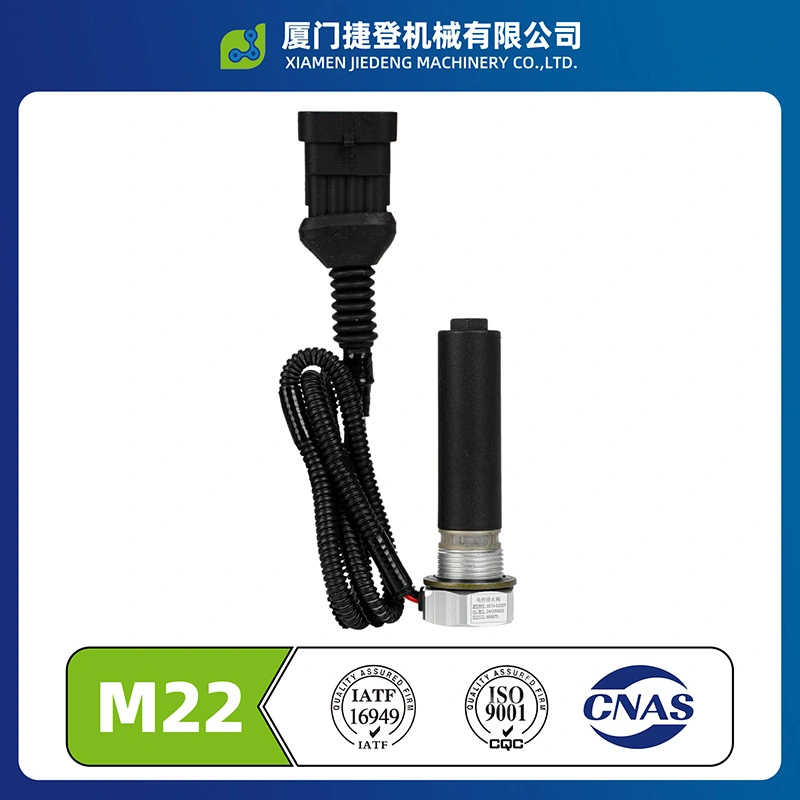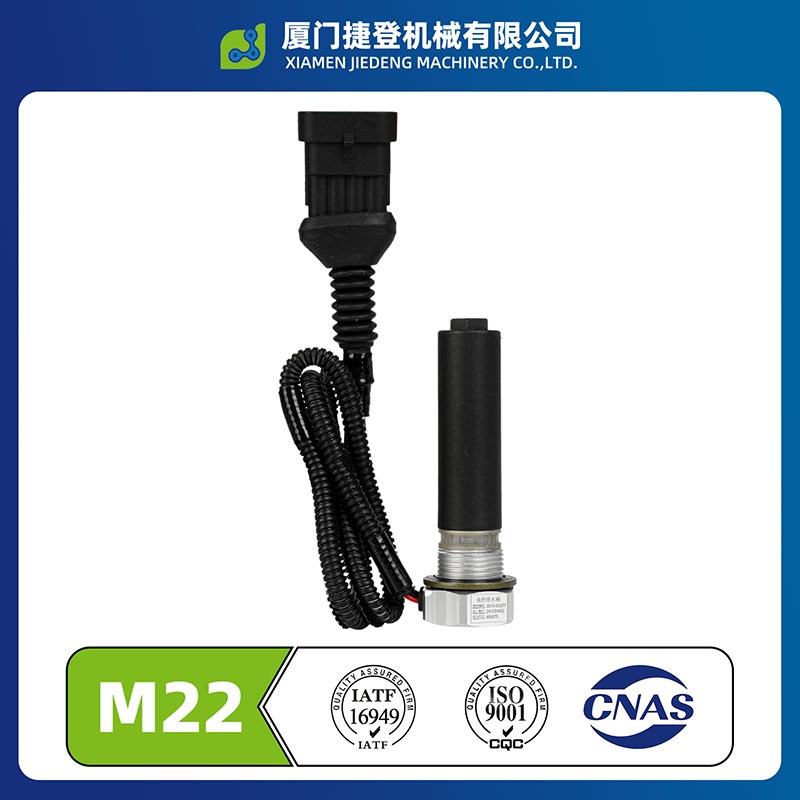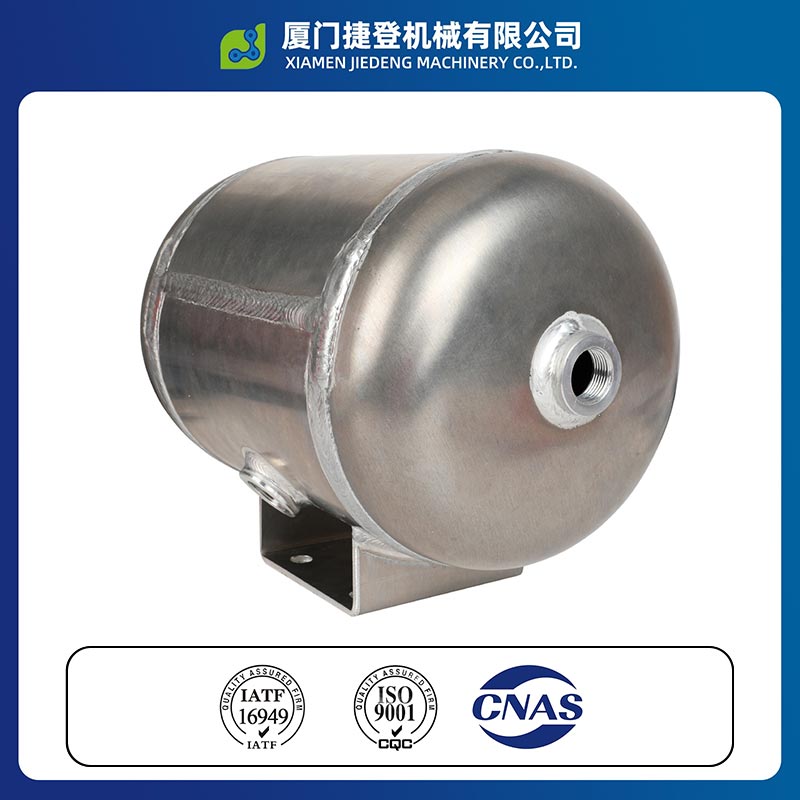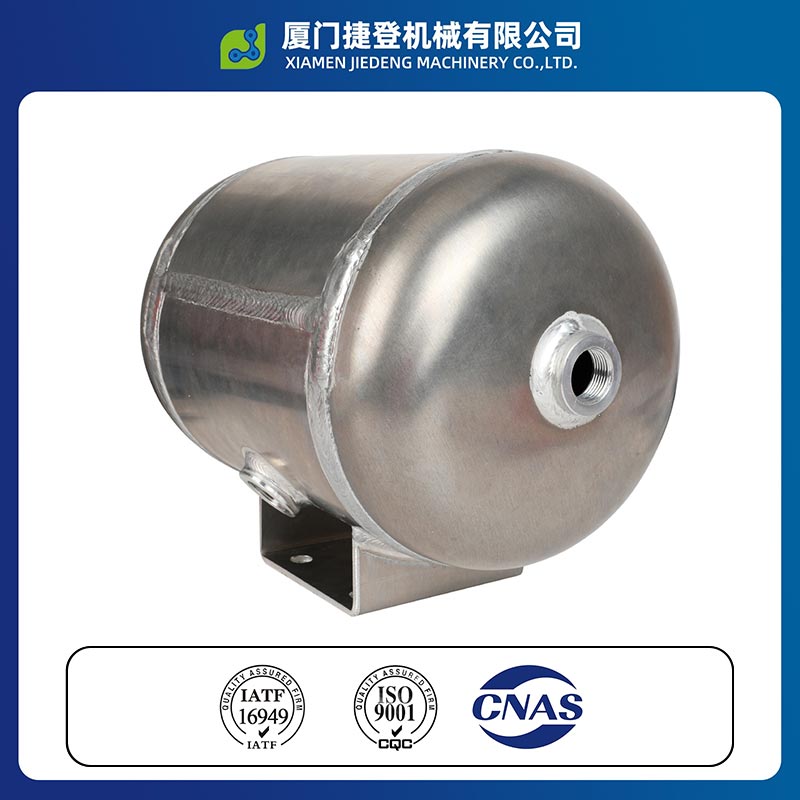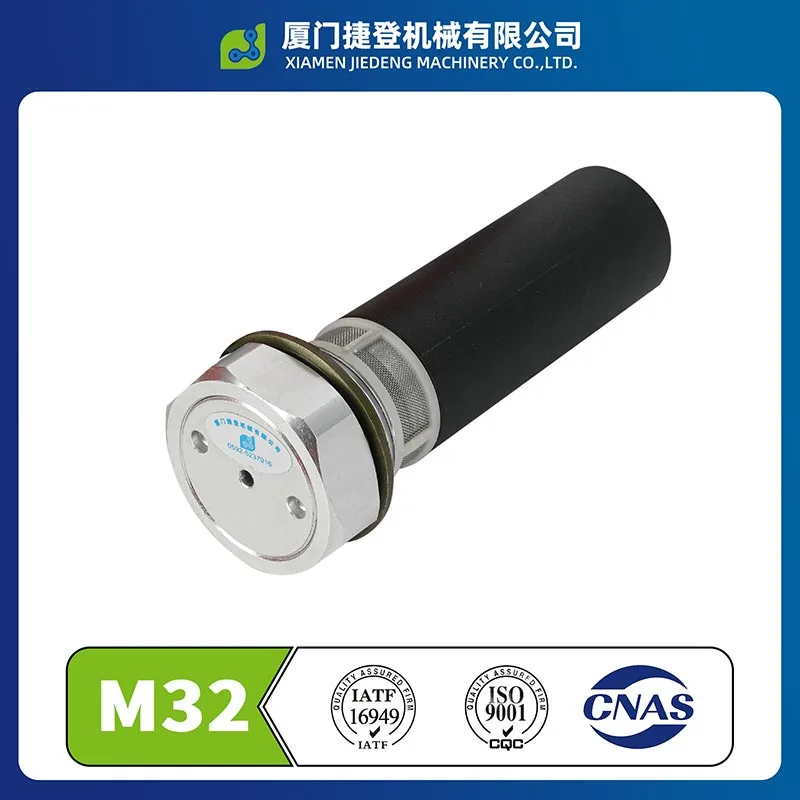
An Air Tank Drain Valve plays a crucial role in maintaining compressed air systems by removing accumulated moisture, oil, and contaminants from air tanks. Without proper drainage, compressors can suffer from rust, pressure instability, poor air quality, and expensive downtime. This article explains how drain valves work, the different types available, installation and maintenance practices, common customer pain points, and how to choose the best solution for industrial applications.
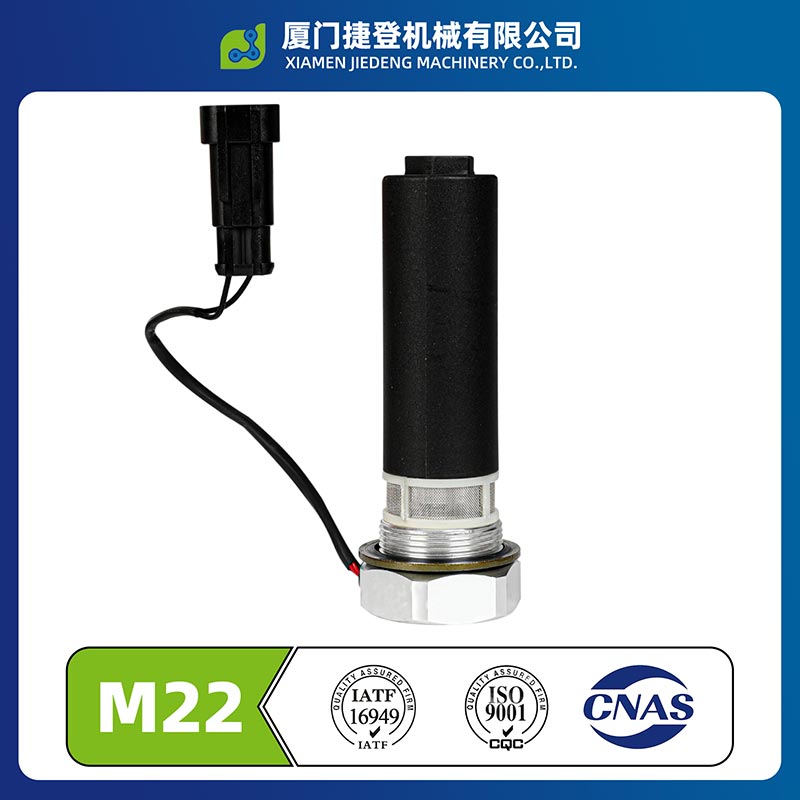
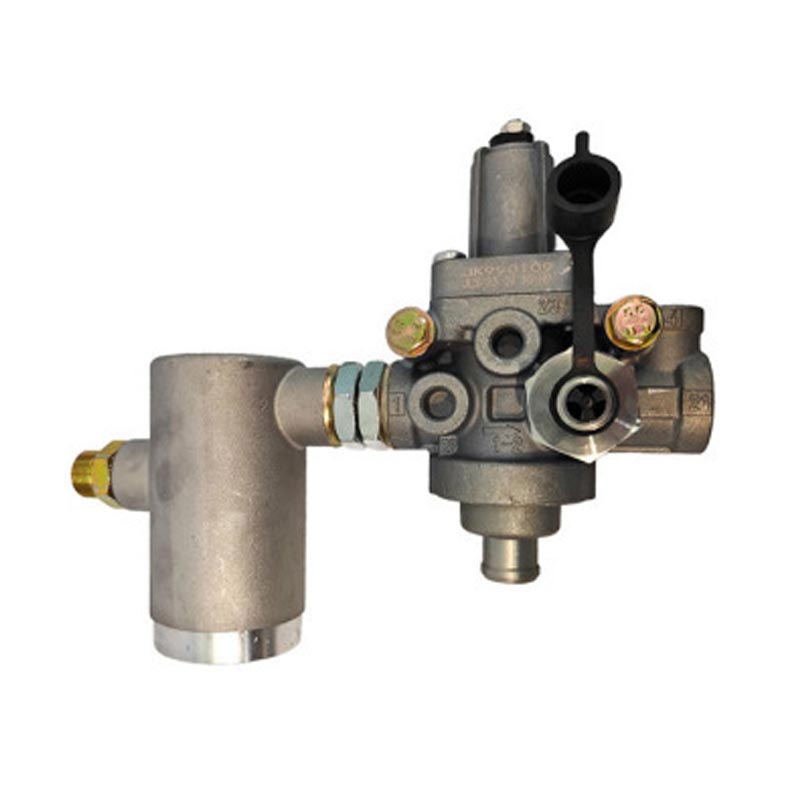
An Air Tank Drain Valve is a device installed at the bottom of an air compressor tank to release accumulated water, oil residue, and contaminants. During the air compression process, moisture naturally condenses inside the tank. If this moisture remains trapped, it can damage the compressor and connected pneumatic equipment.
The valve allows operators to safely discharge unwanted liquid buildup while maintaining stable air pressure. Drain valves are available in manual, automatic, electronic, and float-operated designs depending on system requirements.
In industrial environments, reliable drainage is not simply a convenience—it is essential for maintaining equipment performance, operational safety, and long-term durability.
Atmospheric air always contains humidity. When air is compressed, its temperature rises significantly. As the compressed air cools inside the tank, water vapor condenses into liquid droplets.
Several factors increase condensation levels:
Moisture accumulation is unavoidable in compressed air systems. Without proper drainage, the water settles at the bottom of the tank, leading to corrosion and contamination.
| Condition | Impact on Moisture |
|---|---|
| High Humidity | Increases condensation inside the tank |
| Continuous Operation | Creates larger amounts of condensate |
| Poor Cooling | Accelerates water formation |
| Cold Weather | Causes faster condensation after compression |
The drain valve is installed at the lowest point of the air receiver tank because this is where water naturally settles. When activated, the valve opens to discharge accumulated liquid and contaminants.
The operation process usually includes:
Automatic drain valves often use timers, electronic sensors, or float systems to control drainage cycles without requiring operator intervention.
Different air systems require different drainage solutions. Choosing the proper valve type improves efficiency and minimizes maintenance.
| Valve Type | Advantages | Best Applications |
|---|---|---|
| Manual Drain Valve | Simple and affordable | Small workshops |
| Automatic Timer Drain | Scheduled drainage | Industrial compressor systems |
| Float Drain Valve | Energy efficient | Continuous-duty systems |
| Electronic Zero Loss Drain | No compressed air waste | High-performance operations |
Many compressor failures are directly related to poor condensate management. Neglecting tank drainage creates multiple operational risks.
In industries such as food processing, pharmaceuticals, automotive manufacturing, and electronics production, poor air quality can result in damaged products and costly operational interruptions.
Selecting the right Air Tank Drain Valve requires careful evaluation of system demands and environmental conditions.
Important features include:
Brass and stainless steel valves are widely preferred for their durability and resistance to rust. High-quality seals also help prevent air leakage and improve operational efficiency.
One of the most common customer concerns is whether to choose a manual or automatic drain valve.
Automatic drain systems are increasingly preferred in modern factories because they improve operational consistency while reducing maintenance workloads.
Air Tank Drain Valves are used across a wide range of industries where compressed air systems are essential.
Each industry requires stable compressed air quality to maintain productivity and product standards. Proper drainage helps prevent contamination and extends equipment lifespan.
Correct installation directly affects drain valve efficiency and reliability.
Recommended installation practices include:
Improper installation may lead to incomplete drainage, air leakage, or premature valve failure.
Regular maintenance ensures long-term valve performance and reduces the risk of compressor damage.
Preventive maintenance minimizes unexpected downtime and supports efficient compressor operation throughout the equipment lifecycle.
Buyers often struggle to identify the most suitable drain valve for their compressor system. The correct choice depends on operational requirements, environmental conditions, and budget considerations.
| Selection Factor | Recommendation |
|---|---|
| Small Workshop | Manual drain valve |
| Continuous Production | Automatic timer drain |
| Energy-Saving Systems | Zero-loss electronic drain |
| Corrosive Environments | Stainless steel construction |
Working with an experienced supplier helps ensure compatibility with compressor specifications and operational goals.
The drainage frequency depends on humidity levels and compressor usage. Heavy-duty industrial systems may require daily drainage, while smaller systems can often be drained weekly.
Yes. Moisture can cause internal rust, lubrication failure, and reduced tool lifespan.
For industrial operations, automatic valves improve consistency, reduce labor requirements, and help prevent maintenance issues caused by missed drainage cycles.
Brass and stainless steel are commonly preferred due to their strength, corrosion resistance, and long service life.
Rusty discharge usually indicates internal tank corrosion caused by excessive moisture accumulation and insufficient drainage.
An Air Tank Drain Valve is a small component with a major impact on compressed air system performance. Proper condensate removal protects equipment, improves air quality, reduces operational costs, and supports long-term productivity.
Whether you operate a small workshop or a large industrial production facility, selecting the right drain valve solution can significantly improve compressor reliability and efficiency.
Xiamen Jiedeng Machinery Co., Ltd. specializes in high-quality air compressor accessories and industrial fluid control solutions designed for demanding applications worldwide. Contact Xiamen Jiedeng Machinery Co., Ltd. today to explore durable, efficient, and cost-effective products tailored to your industrial needs. Our experienced team is ready to support your business with professional service and dependable manufacturing solutions.