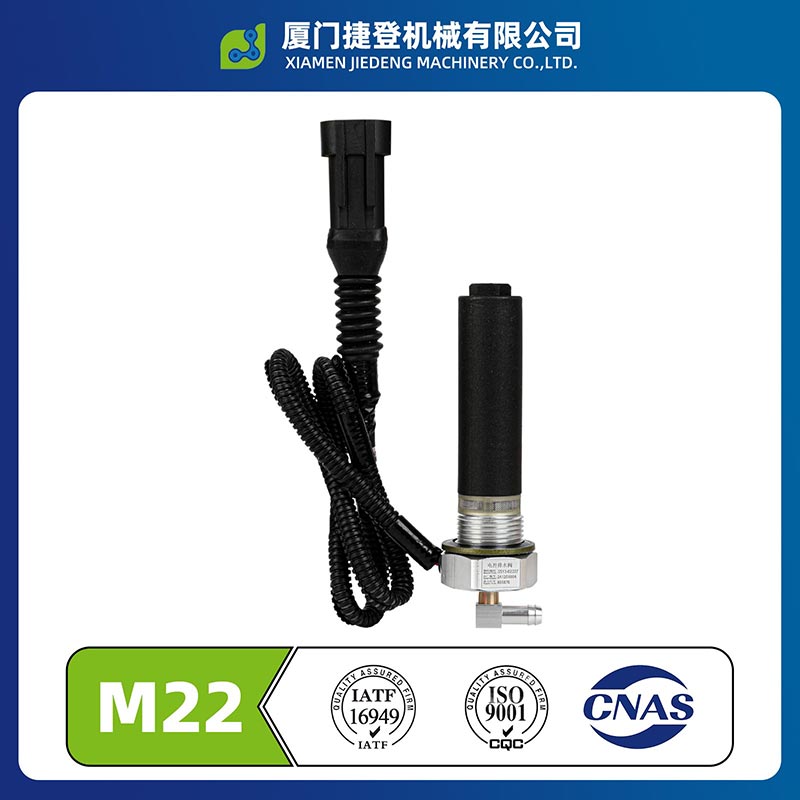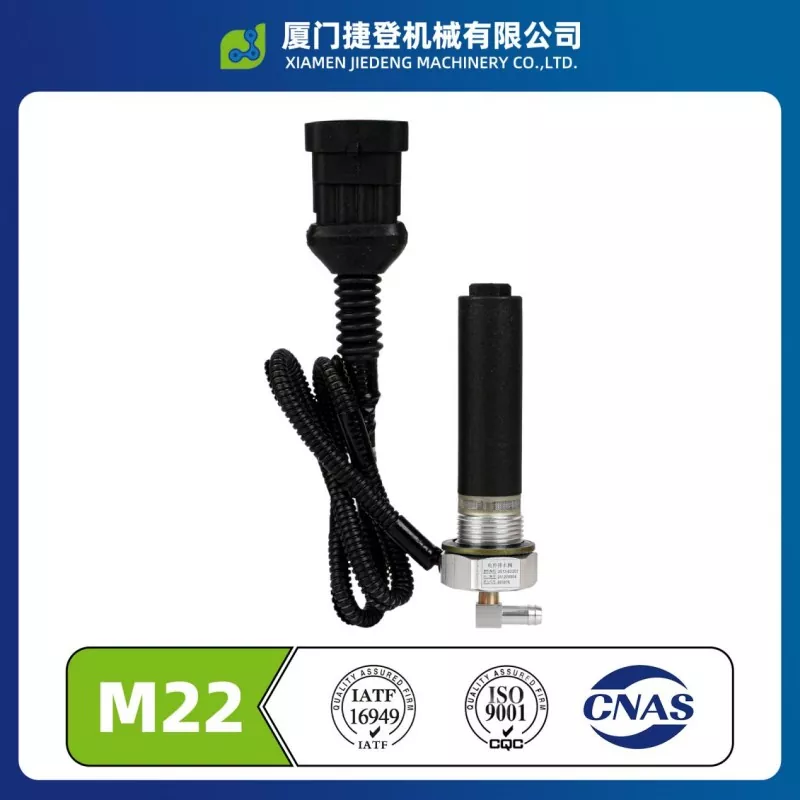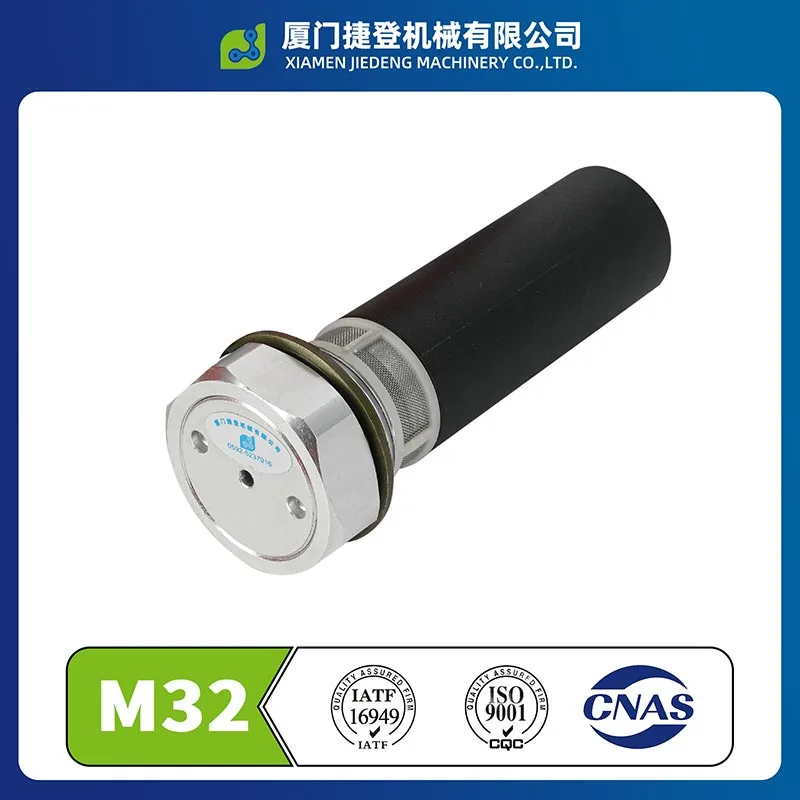
A vehicle air tank is one of the most important components in pneumatic braking and air-powered systems. Whether installed on heavy-duty trucks, buses, trailers, construction machinery, agricultural equipment, or industrial vehicles, it stores compressed air and ensures reliable operation of critical systems. Despite its importance, many vehicle owners and fleet managers overlook proper air tank selection, maintenance, and inspection until performance issues arise.
This guide explains how vehicle air tanks work, why they are essential, how to choose the right model, common problems, maintenance practices, industry applications, and the latest innovations shaping modern transportation. By the end of this article, you will have a complete understanding of vehicle air tanks and how they contribute to safety, efficiency, and operational reliability.
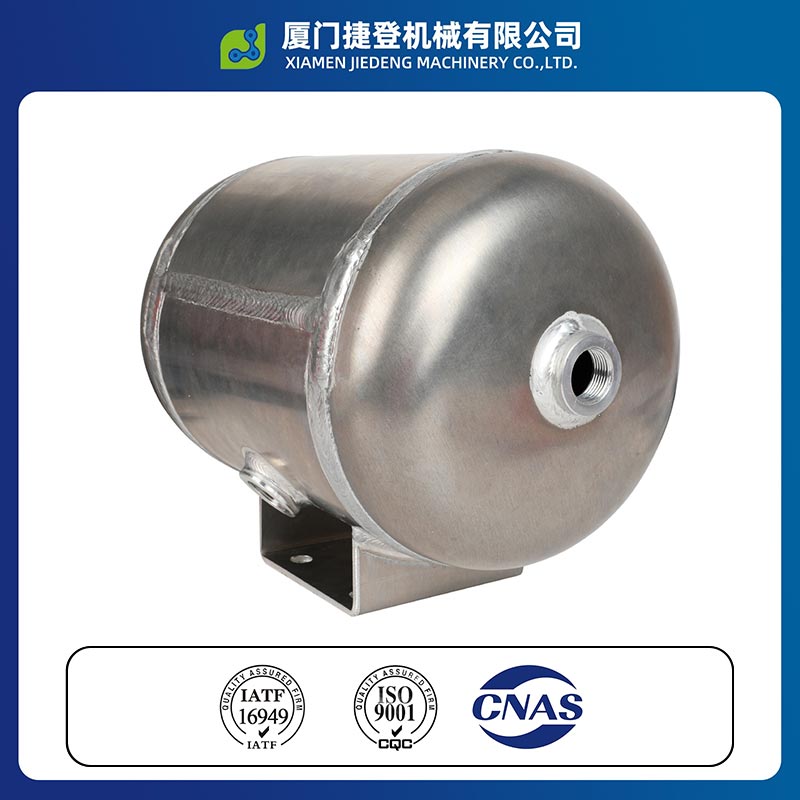
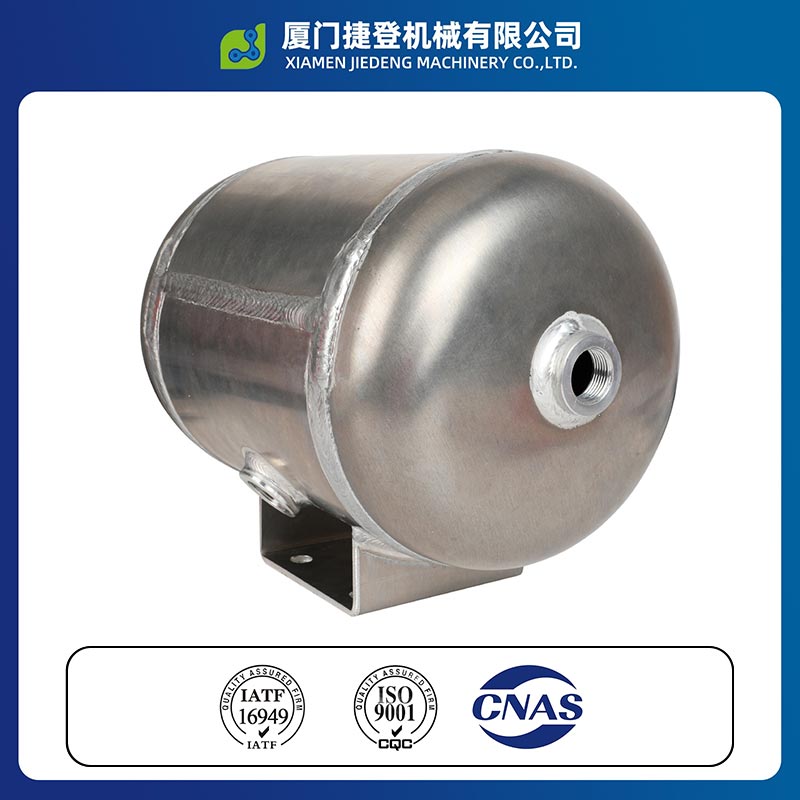
A vehicle air tank, often called an air reservoir, is a pressure vessel designed to store compressed air generated by an onboard air compressor. The stored air acts as an energy reserve for various vehicle systems, ensuring continuous operation even when demand temporarily exceeds compressor output.
In commercial transportation, air tanks are most commonly associated with air brake systems. However, they also support suspension systems, clutch controls, door operations, auxiliary tools, and other pneumatic functions.
Without a properly functioning air tank, compressed air systems would experience pressure fluctuations that could compromise vehicle safety and performance.
The importance of a vehicle air tank extends beyond simple air storage. It serves as a critical safety and efficiency component throughout the vehicle.
For fleet operators, a reliable air tank can significantly reduce downtime and maintenance costs while improving operational efficiency.
The operation of a vehicle air tank follows a straightforward process:
Pressure sensors and safety valves continuously monitor the system to prevent over-pressurization and maintain safe operating conditions.
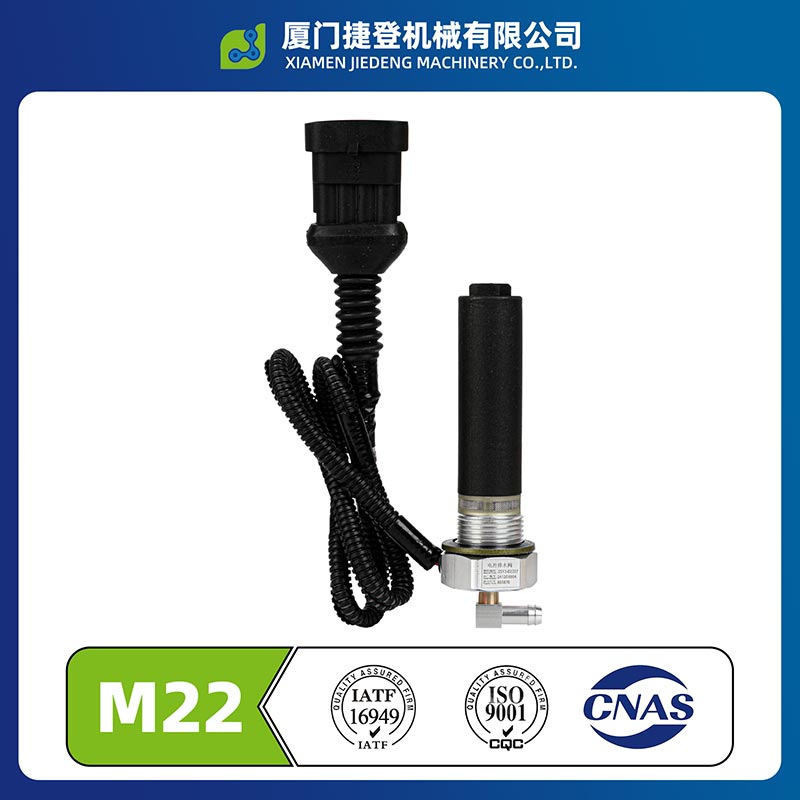
A complete vehicle air system includes several interconnected components.
| Component | Function |
|---|---|
| Air Compressor | Generates compressed air |
| Air Dryer | Removes moisture |
| Air Tank | Stores compressed air |
| Pressure Valve | Controls air pressure |
| Drain Valve | Removes accumulated moisture |
| Safety Valve | Prevents excessive pressure |
Vehicle air tanks are available in several configurations depending on the intended application.
Designed for basic pneumatic systems where moderate air storage capacity is sufficient.
Provide separate air circuits for improved safety and redundancy.
Known for durability and cost-effectiveness in demanding environments.
Offer reduced weight and excellent corrosion resistance.
Engineered for specialized vehicles and unique operational requirements.
Vehicle air tanks are used in numerous industries.
| Industry | Application |
|---|---|
| Transportation | Air braking systems |
| Construction | Pneumatic equipment operation |
| Agriculture | Air-assisted machinery |
| Mining | Heavy-duty vehicle systems |
| Public Transit | Bus suspension and braking |
Selecting the correct air tank requires careful evaluation of multiple factors.
Fleet managers should also consider long-term maintenance costs and expected service life when evaluating air tank options.
Like any mechanical component, air tanks may develop issues over time.
| Problem | Possible Cause | Solution |
|---|---|---|
| Pressure loss | Air leaks | Inspect fittings and valves |
| Corrosion | Moisture accumulation | Improve drainage procedures |
| Slow pressure build-up | Compressor wear | Service compressor system |
| Valve malfunction | Contamination | Clean or replace valve |
Routine maintenance significantly extends the lifespan of vehicle air tanks.
Preventive maintenance is considerably less expensive than emergency repairs and helps avoid unexpected downtime.
| Property | Steel | Aluminum |
|---|---|---|
| Strength | Excellent | Very Good |
| Weight | Heavy | Light |
| Corrosion Resistance | Moderate | Excellent |
| Cost | Lower | Higher |
| Service Life | Long | Very Long |
The vehicle air tank market continues to evolve as transportation and industrial sectors seek greater efficiency and reliability.
These innovations help reduce operating costs while increasing safety and system reliability.
Investing in premium air tanks delivers substantial long-term value.
For businesses operating large fleets, these benefits can translate into significant financial savings over time.
Q1: How long does a vehicle air tank typically last?
A well-maintained air tank can last between 10 and 20 years, depending on operating conditions, maintenance practices, and material quality.
Q2: Why does moisture accumulate inside air tanks?
Compressed air naturally contains moisture. Without proper drainage and drying systems, water can accumulate and cause corrosion.
Q3: How often should air tanks be inspected?
Visual inspections should be conducted regularly, while comprehensive inspections should follow manufacturer recommendations and applicable regulations.
Q4: Are aluminum air tanks better than steel tanks?
Both have advantages. Aluminum offers lighter weight and better corrosion resistance, while steel provides excellent strength and cost efficiency.
Q5: What are signs that an air tank needs replacement?
Severe corrosion, structural damage, persistent pressure loss, or failed inspections indicate that replacement may be necessary.
Q6: Can a damaged air tank be repaired?
Minor issues may be repairable, but significant structural damage often requires replacement to ensure safety and compliance.
A vehicle air tank is far more than a simple storage container. It is a critical component that supports braking systems, pneumatic controls, suspension functions, and overall vehicle safety. Selecting the right air tank, maintaining it properly, and investing in high-quality manufacturing can significantly improve operational performance while reducing long-term costs.
As commercial transportation, construction, mining, agriculture, and industrial sectors continue to demand greater efficiency and reliability, durable and high-performance vehicle air tanks will remain essential components of modern equipment and fleet operations.
Xiamen Jiedeng Machinery Co., Ltd. specializes in manufacturing high-quality vehicle air tanks and related pneumatic system components for commercial vehicles, industrial machinery, construction equipment, and transportation applications.
Whether you need standard models or customized solutions, our experienced team can help you find the right product for your specific requirements. Contact us today to discuss your project and discover how our reliable air tank solutions can support your business growth.