Recently, Xiamen Jiedeng Machinery Co., Ltd. has received concentrated feedback from customers in both the domestic Tianjin region and the overseas Russian region: a large number of operator vehicles have frequently experienced air circuit failures, brake malfunctions, pipe rusting, valve blockage due to freezing, and other problems.
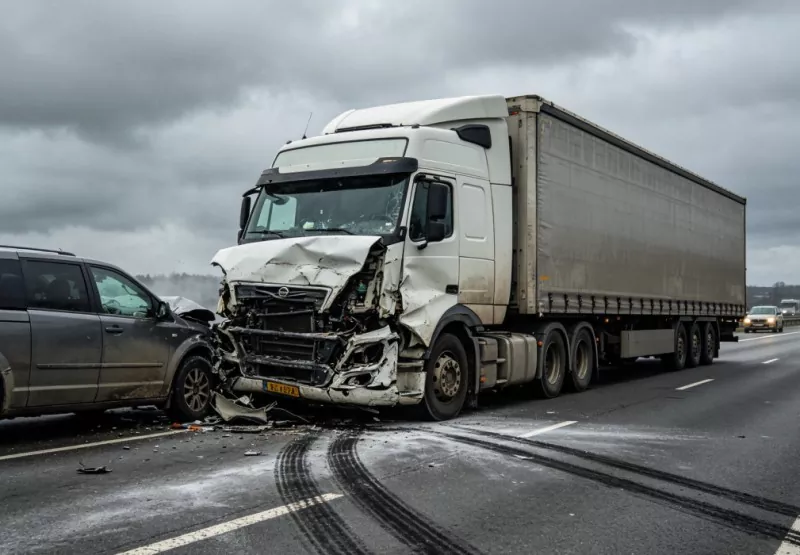
After our technical team conducted on-site maintenance and inspection, it was confirmed that all the causes of the faults were due to the accumulation of condensate water in the air tank. According to industry statistics, approx. 30% of commercial vehicle braking-related traffic accidents are closely related to excessive condensate water in the gas pipeline. This hidden danger has long been ignored by logistics fleets.
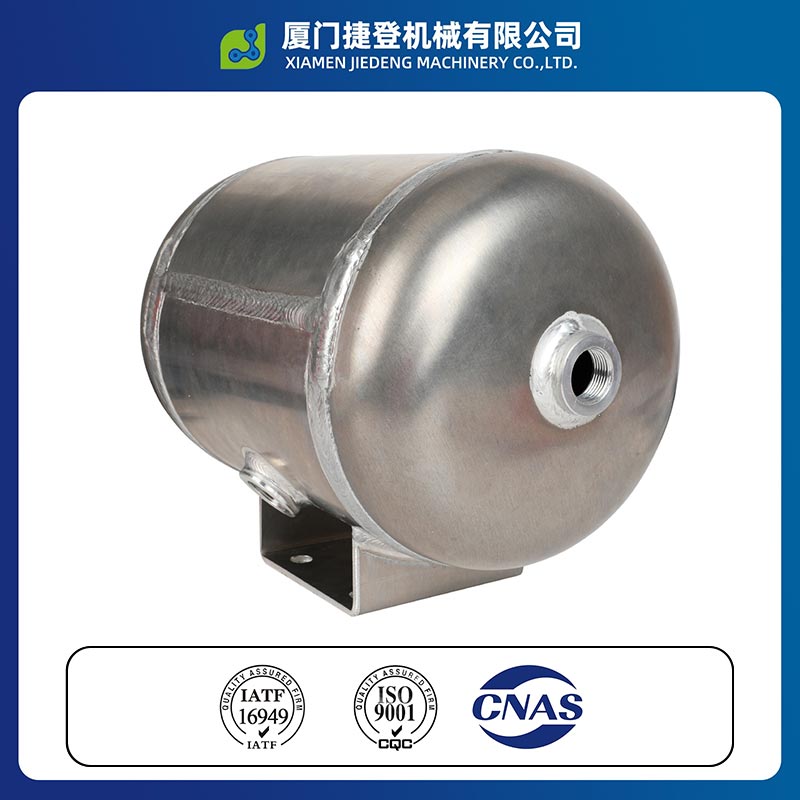
Condensate water is an inevitable by-product of the operation of the commercial vehicle compressed air system. The water vapor produced by the air compressor will condense and accumulate water at the bottom of the air reservoir when it cools down. Due to the influence of regional climate, Tianjin has a large temperature difference between day and night and high air humidity. The generation speed of vehicle water accumulation is much faster than that in inland areas. In Russia, the winter is long and extremely cold, with temperatures reaching as low as minus 30 to 40 degrees Celsius. Water accumulation in the gas pipeline is prone to freeze easily, making these two regions high-risk areas for gas pipeline failures.
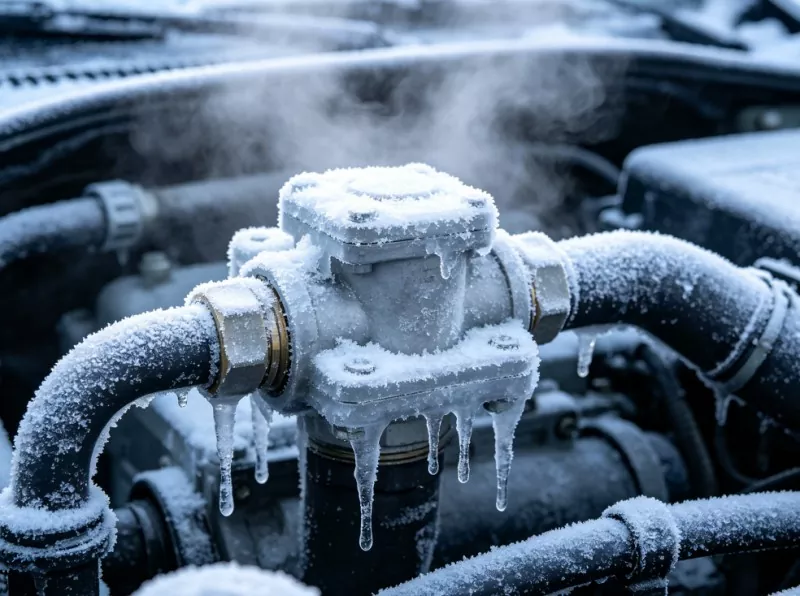
Currently, most fleets are using manual and mechanical drainage valves. This not only requires manual drainage at regular intervals, which is time-consuming and labor-intensive, but also has shortcomings such as incomplete drainage and freezing damage to the valve body in low temperatures. Therefore, it is unable to completely solve the problem of water accumulation.
Condensation water poses dual hazards, threatening driving safety and increasing operating costs.
The seemingly insignificant condensate water conceals dual risks of component wear and vehicle safety. On one hand, the accumulated water will continuously corrode the inner wall of the air tank, leading to a decrease in the cylinder's strength, gas leakage, and even rupture. The iron filings produced by corrosion will also clog the pipelines and wear down the precision components such as the brake valves.
The actual measurement data shows that for vehicles without effective drainage protection, the lifespan of the air tank is reduced to one-third of the original, and the frequency of replacing air path components increases by 2-3 times, directly increasing the maintenance costs of the fleet.
On the other hand, condensate water poses a direct threat to the safety of the braking system. In extremely cold weather in Russia, the ice formed by the water accumulation can completely block the air passage, causing the braking system to completely fail; in normal temperature environments, the accumulated water occupies the effective volume of the air reservoir, reducing the supply pressure and causing a delay of 0.3-0.5 seconds in the vehicle's braking response, increasing the braking distance by 5-10 meters. In scenarios of high-speed driving on major highways, it is highly likely to cause accidents such as rear-end collisions and rollovers.
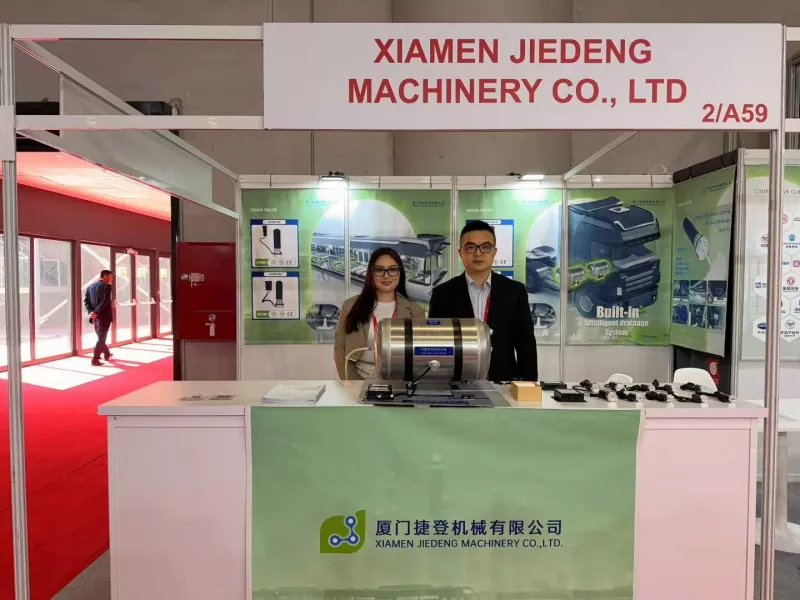
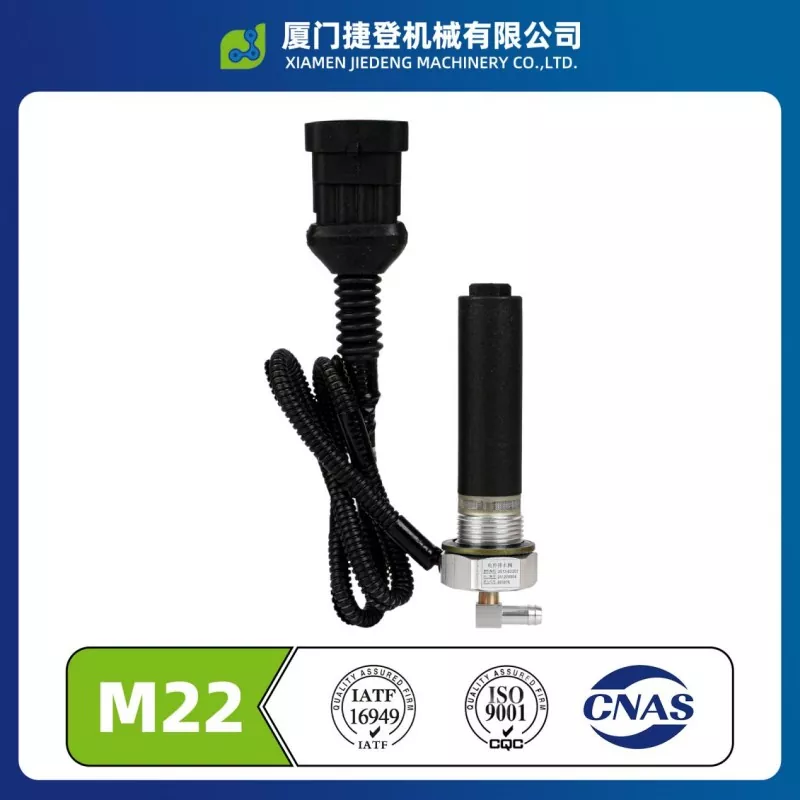
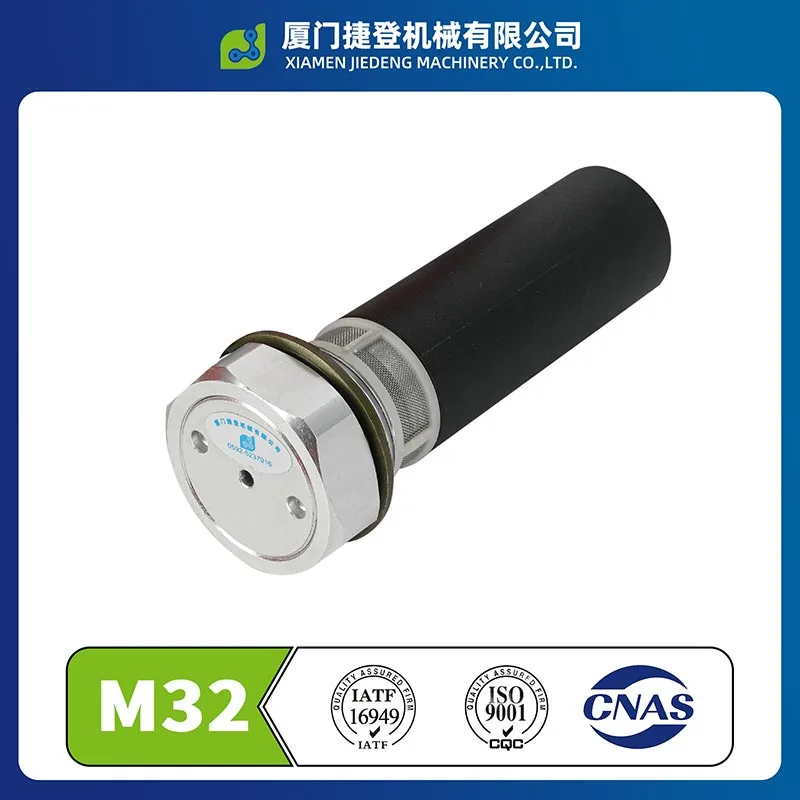
Jideng intelligent drainage valve is installed in two locations, suitable for all working conditions in cold and humid environments.
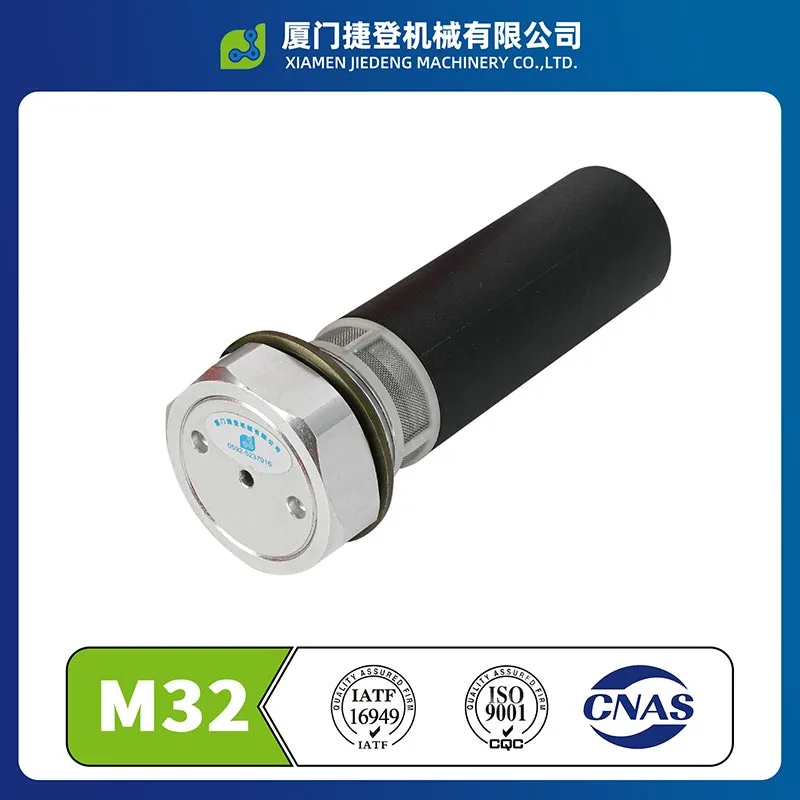
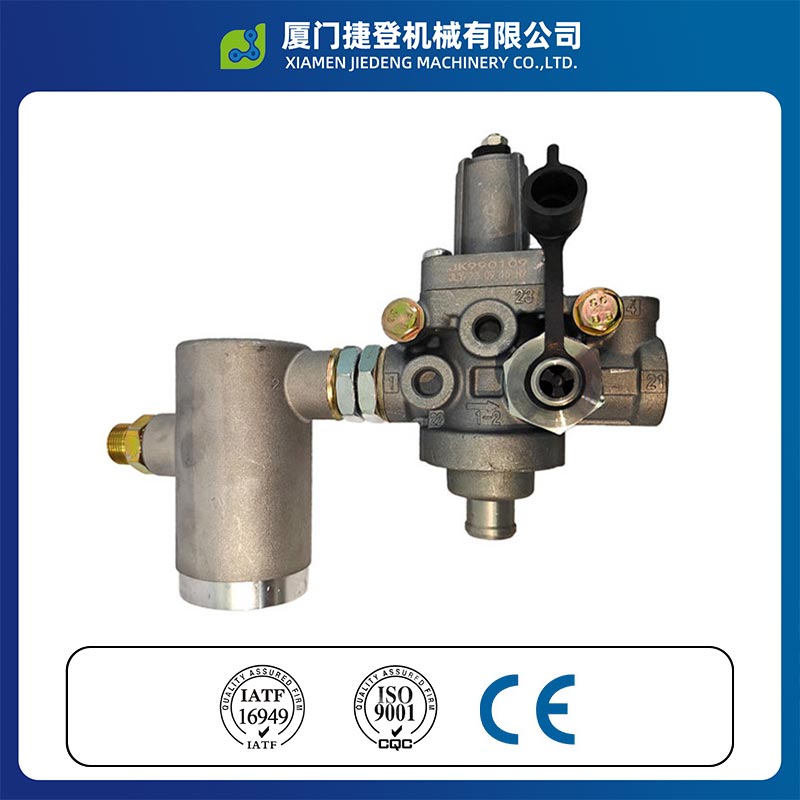
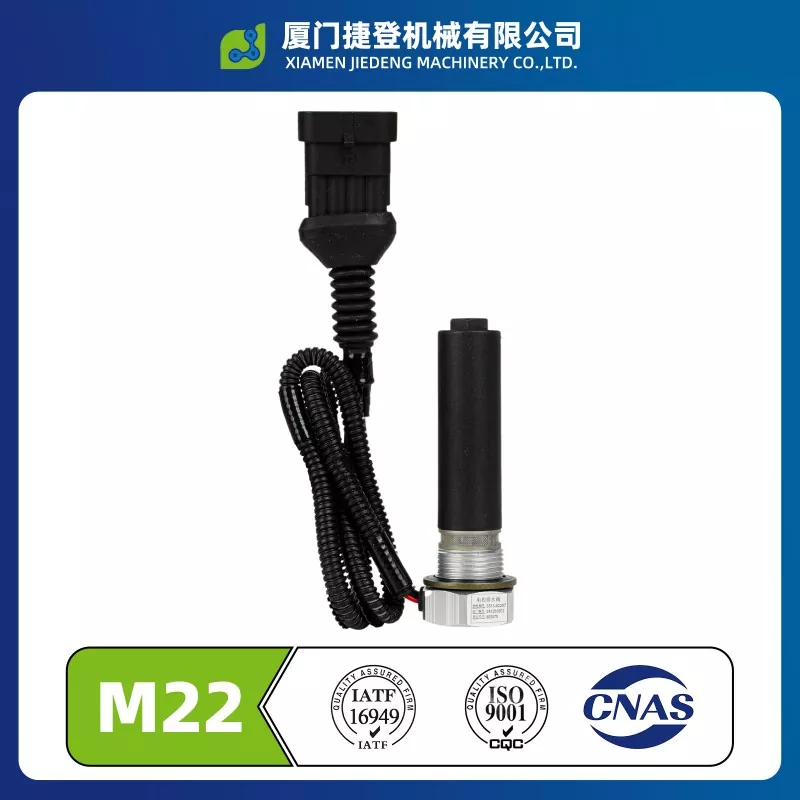
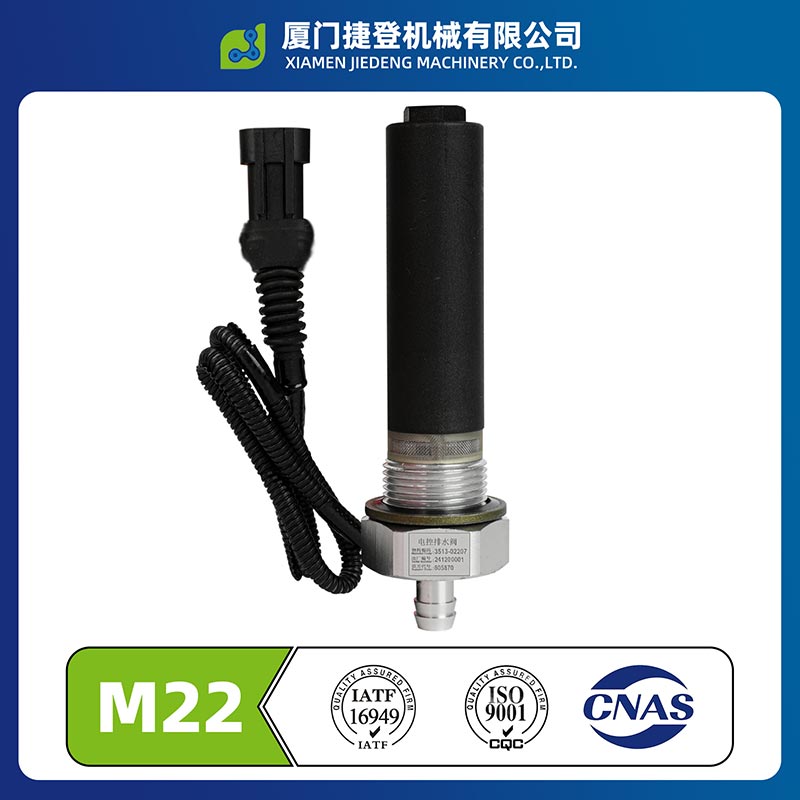
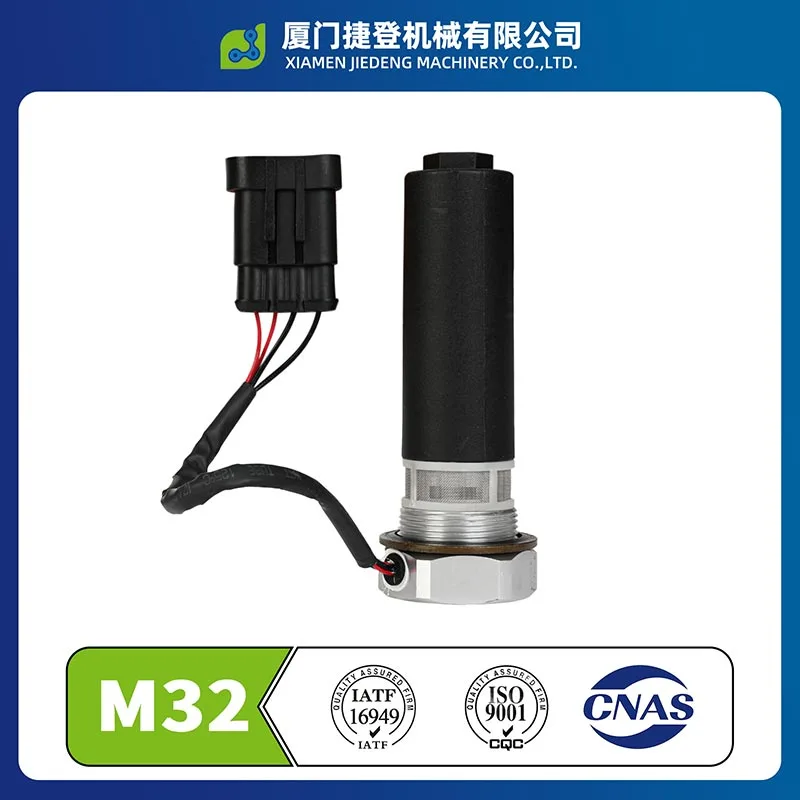
The Jideng intelligent drainage valve is installed in two locations. It is suitable for all working conditions in high cold and high humidity environments. To address the two major pain points of high humidity and temperature difference in Tianjin, as well as extreme cold in Russia, Xiamen Jideng has independently developed an electrically controlled intelligent drainage valve. It is equipped with two core functions: timed automatic drainage and temperature-controlled heating. Without the need for manual intervention, it can autonomously complete the drainage operation of the storage cylinder around the clock.
The exclusive temperature-controlled heating module is perfectly adapted to the extremely cold environment in Russia, effectively solving the problem of valve body freezing and blockage; the intelligent timed drainage mode is suitable for the high-humidity climate in Tianjin, maintaining the airway dryness for a long time.
Currently, this product has been installed in batches on the fleets in both regions, and the actual test results are impressive. The person in charge of the Russian logistics fleet stated that after installation, there were no zero-temperature airway freezing faults throughout the winter, eliminating the need for manual drainage, and the vehicle attendance rate significantly increased; the local transportation fleet in Tianjin reported that the problem of airway rust was significantly alleviated, and the cost of maintenance materials decreased by more than 60%.
Industry insiders warn that the operation and maintenance of commercial vehicles should not only focus on visible components such as engines and tires; the hidden danger of condensate water in the gas lines needs to be given due attention. In the future, Xiamen Jiedeng will continue to optimize its intelligent drainage products, and will iteratively upgrade them to meet complex working conditions both at home and abroad, to ensure the safety of the gas lines of global commercial vehicles.