Compressed air systems are widely used in manufacturing, automotive workshops, food processing, and industrial automation. However, one of the most persistent issues in these systems is moisture accumulation inside air tanks. This moisture can lead to corrosion, equipment failure, pressure instability, and costly maintenance. An Air Tank Automatic Drain Valve is designed to eliminate this problem by automatically removing condensate without manual intervention. This article explains how these valves work, why they are essential, their types, benefits, selection criteria, installation guidance, troubleshooting tips, and maintenance practices. It also provides practical insights for industrial users seeking to optimize compressed air performance and reduce operational risks.
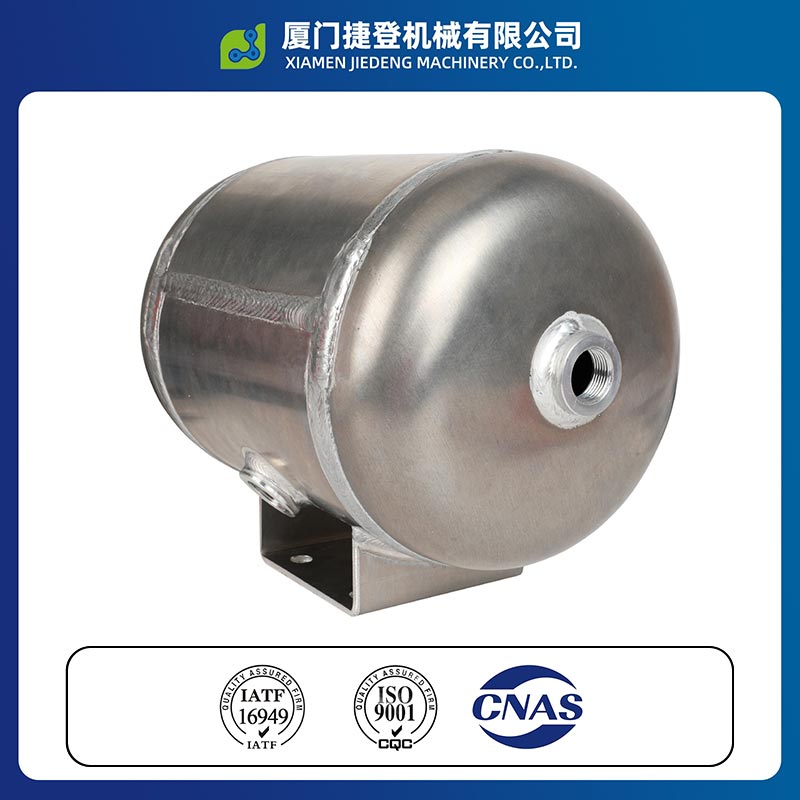
Compressed air systems naturally generate moisture due to air compression and temperature changes. When air is compressed, water vapor condenses into liquid form and accumulates inside the air receiver tank. Without proper drainage, this water builds up continuously.
This issue is often underestimated, yet it is one of the leading causes of system inefficiency. Moisture can mix with oil residues, create sludge, and eventually clog pipelines or damage pneumatic tools. In high-precision industries, even small amounts of moisture can lead to product defects or system shutdowns.
Traditional manual draining methods require operators to physically open valves at scheduled intervals. This is inefficient, inconsistent, and often neglected. As a result, modern systems increasingly rely on automatic drainage solutions.
Proper drainage is not just a maintenance task—it is a core requirement for system reliability.
When moisture is not removed effectively, compressed air systems lose pressure stability. This leads to inconsistent tool performance and increased energy consumption, as compressors work harder to maintain output levels.
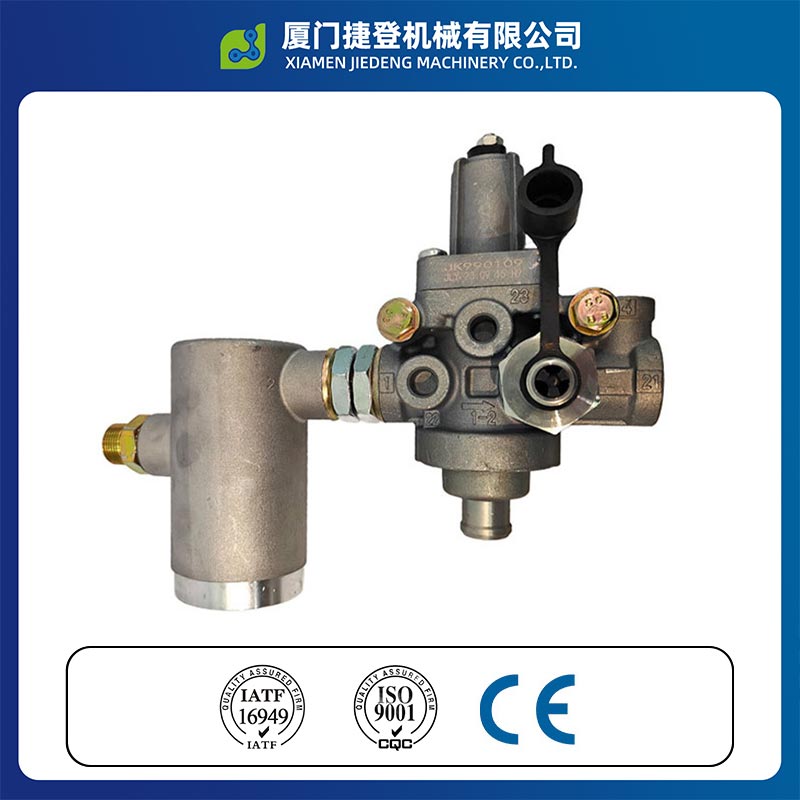
An Air Tank Automatic Drain Valve is a device installed at the bottom of an air receiver tank or air filter system. Its main function is to automatically discharge accumulated condensate (water, oil, and impurities) without manual operation.
Unlike manual valves, automatic drain valves operate based on timers, sensors, or float mechanisms. This ensures consistent and timely drainage, even in unattended systems.
These valves are essential components in modern compressed air systems where efficiency, automation, and reliability are priorities.
The working principle depends on the valve type, but the general operation includes three stages:
Some advanced models use zero-loss technology, ensuring that only liquid is discharged while minimizing compressed air waste.
Different applications require different drainage solutions. Below is a comparison of the most common types:
| Type | Working Principle | Advantages | Best Use Case |
|---|---|---|---|
| Timer-Based Drain Valve | Opens at preset intervals | Simple, cost-effective | General industrial use |
| Float Type Drain Valve | Activates when liquid reaches a level | Energy efficient, responsive | High moisture environments |
| Electronic Zero-Loss Valve | Sensor-controlled discharge | No air loss, high efficiency | Precision industries |
| Pneumatic Drain Valve | Uses air pressure to operate | Durable, low maintenance | Heavy-duty systems |
Using an Air Tank Automatic Drain Valve provides multiple operational advantages:
These benefits directly contribute to higher productivity and lower long-term operating costs.
| Feature | Manual Drain Valve | Automatic Drain Valve |
|---|---|---|
| Operation | Requires human intervention | Fully automated |
| Efficiency | Inconsistent | Highly consistent |
| Maintenance | Frequent monitoring needed | Low maintenance |
| Risk of Moisture Build-up | High | Low |
Automatic systems clearly outperform manual ones in industrial environments where uptime and reliability are critical.
Choosing the right valve depends on system requirements and operating conditions. Consider the following factors:
For high-performance industrial systems, electronic zero-loss valves are often recommended due to their efficiency and precision.
Proper installation ensures optimal performance and long service life.
Incorrect installation may result in inefficient drainage or air loss.
Even automatic systems require periodic inspection to ensure reliability.
Common maintenance tasks:
Common issues and solutions:
Air Tank Automatic Drain Valves are widely used in:
In each of these industries, consistent dry air supply is critical for operational success and product quality.
Q1: How often should an automatic drain valve operate?
It depends on moisture levels and system size. Timer-based valves may operate every few minutes, while sensor-based systems operate as needed.
Q2: Does an automatic drain valve waste compressed air?
Modern zero-loss designs minimize or eliminate air loss by discharging only liquid condensate.
Q3: Can it be installed on any air tank?
Yes, most models are compatible, but size and pressure ratings must match system specifications.
Q4: What is the lifespan of an automatic drain valve?
With proper maintenance, high-quality valves can last several years in industrial environments.
Q5: Is maintenance difficult?
No. Most maintenance involves simple cleaning and inspection procedures.
Air Tank Automatic Drain Valves play a critical role in maintaining efficient, reliable, and safe compressed air systems. By eliminating manual drainage and ensuring consistent condensate removal, these devices significantly improve system performance and reduce long-term operational costs.
Whether used in small workshops or large industrial facilities, investing in a high-quality automatic drain valve is essential for ensuring stable air supply and protecting valuable equipment.
Xiamen Jiedeng Machinery Co., Ltd. specializes in high-performance pneumatic components designed to enhance industrial efficiency and reliability. Our solutions are engineered to meet demanding working environments and deliver long-term stability.
Contact us today to learn more about our Air Tank Automatic Drain Valve solutions and discover how we can help optimize your compressed air system performance.