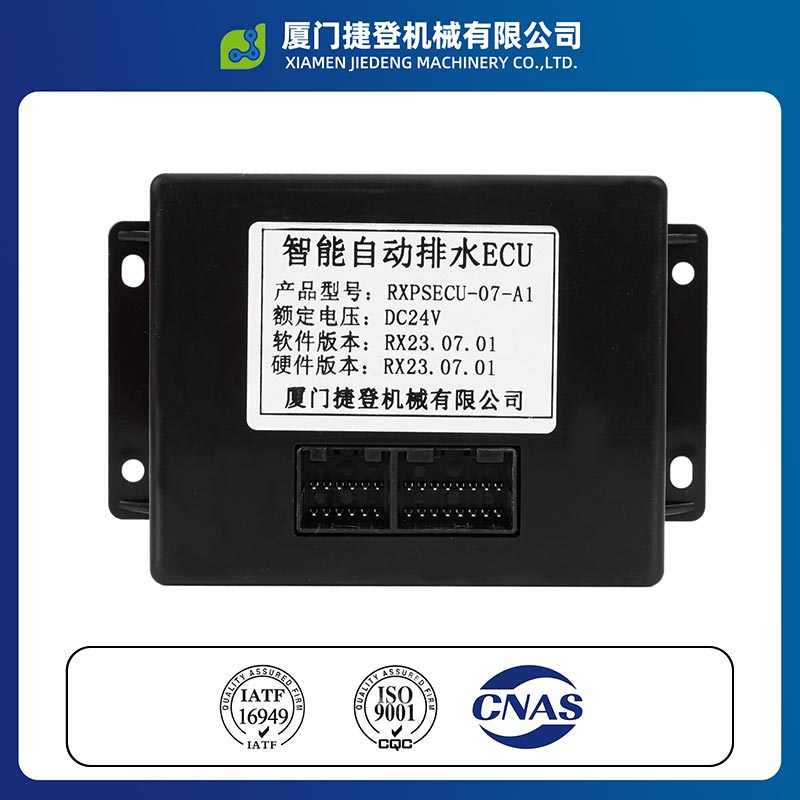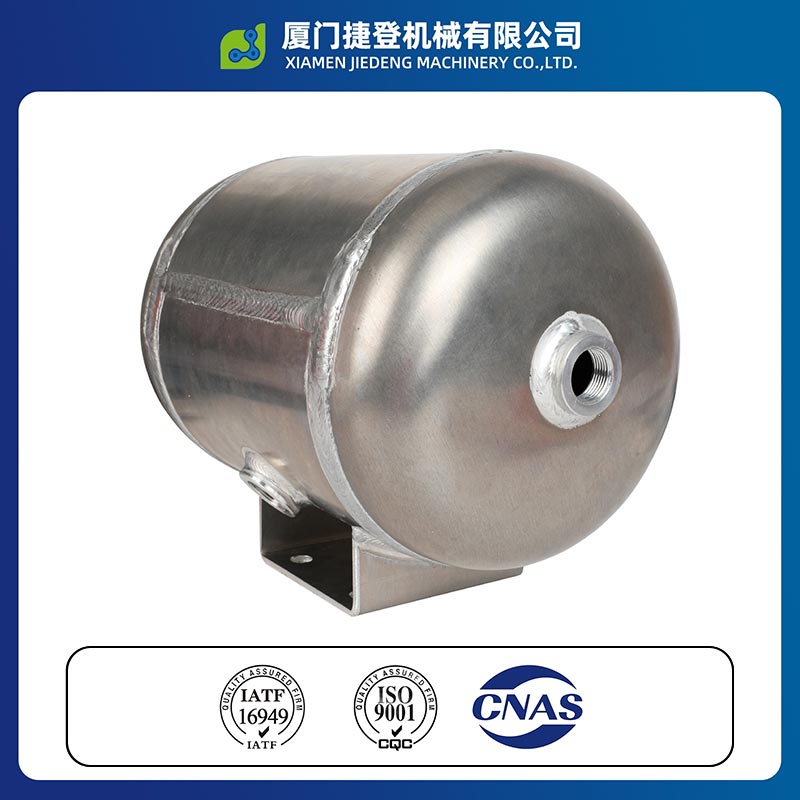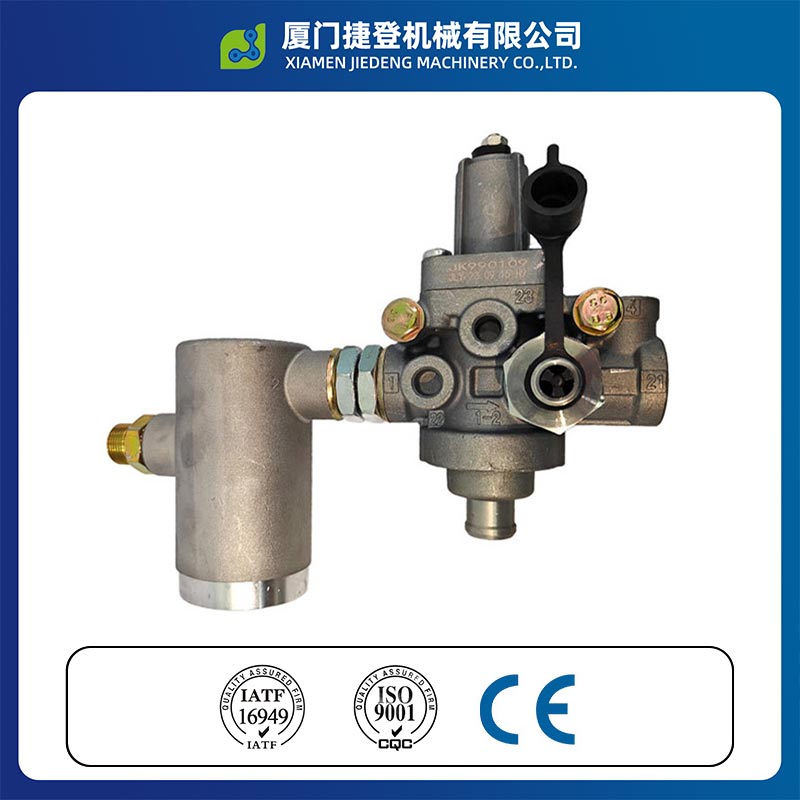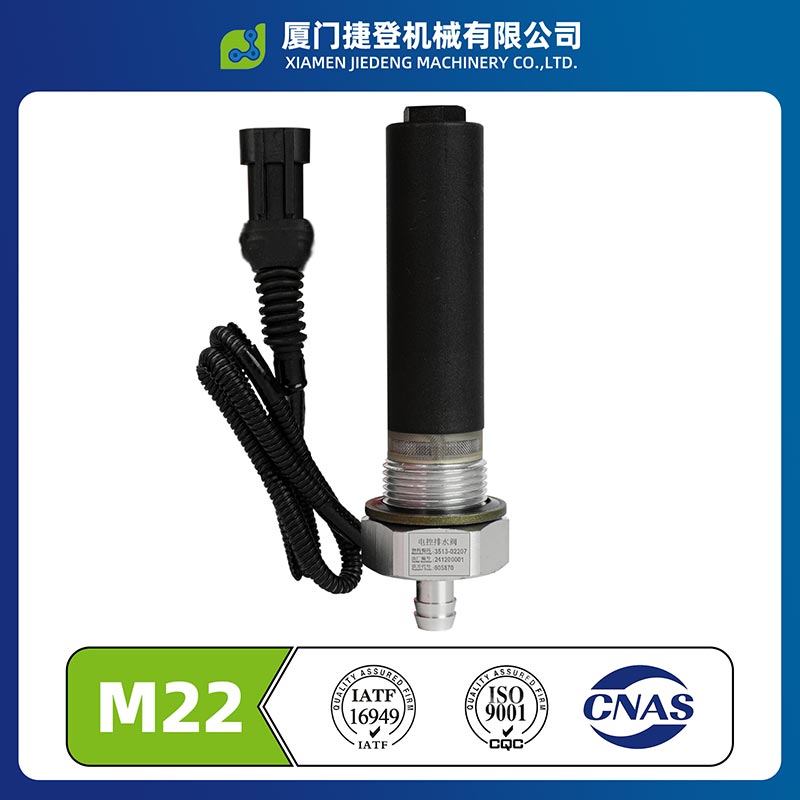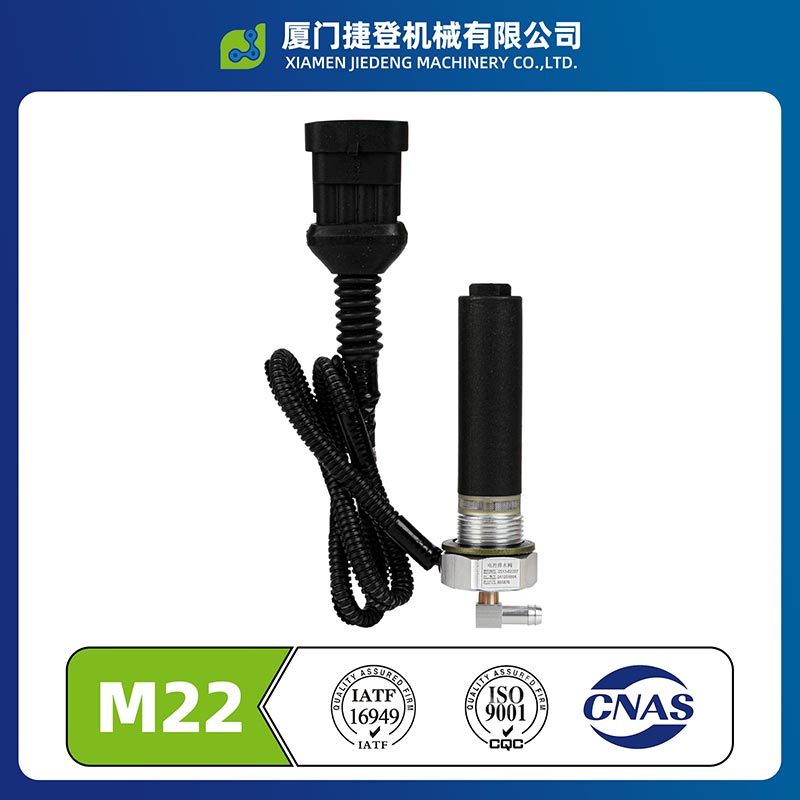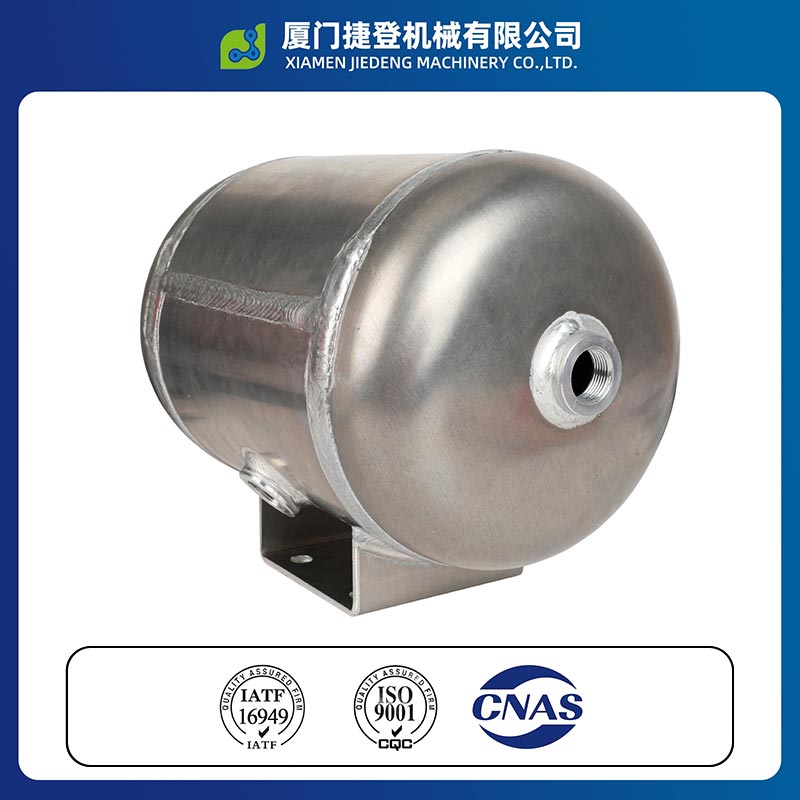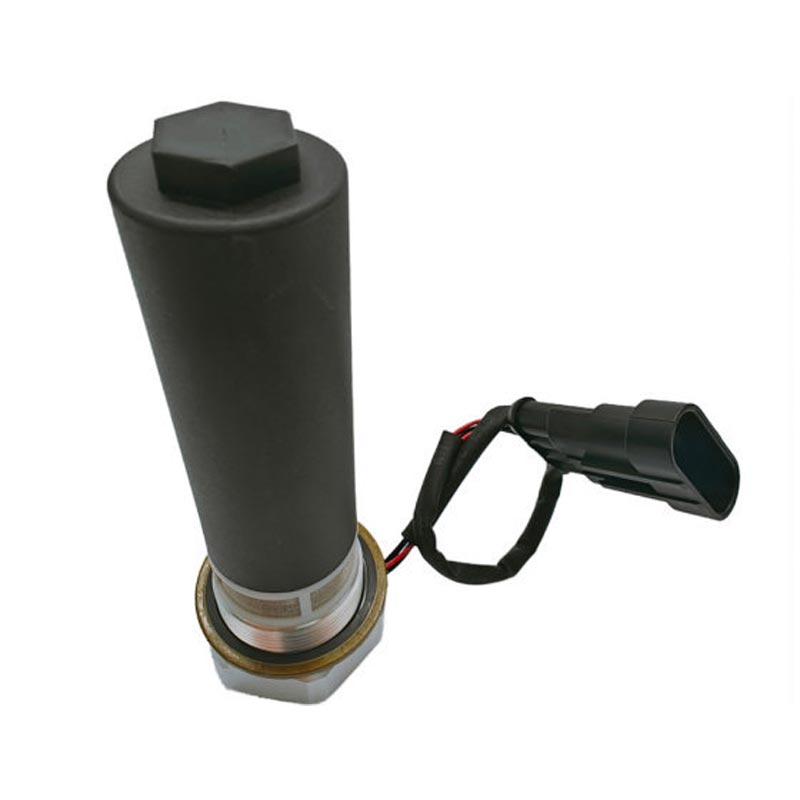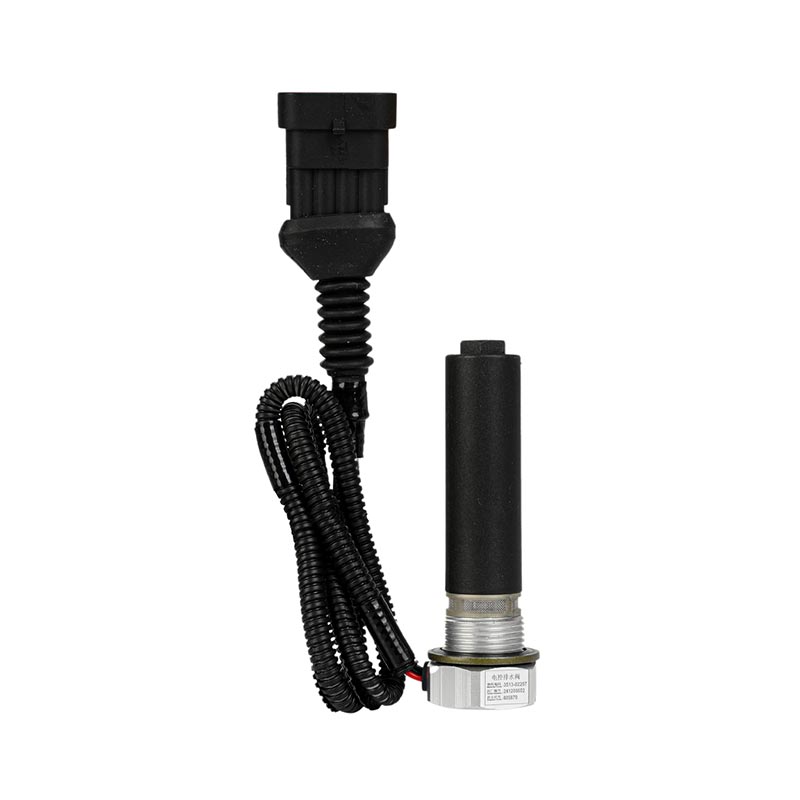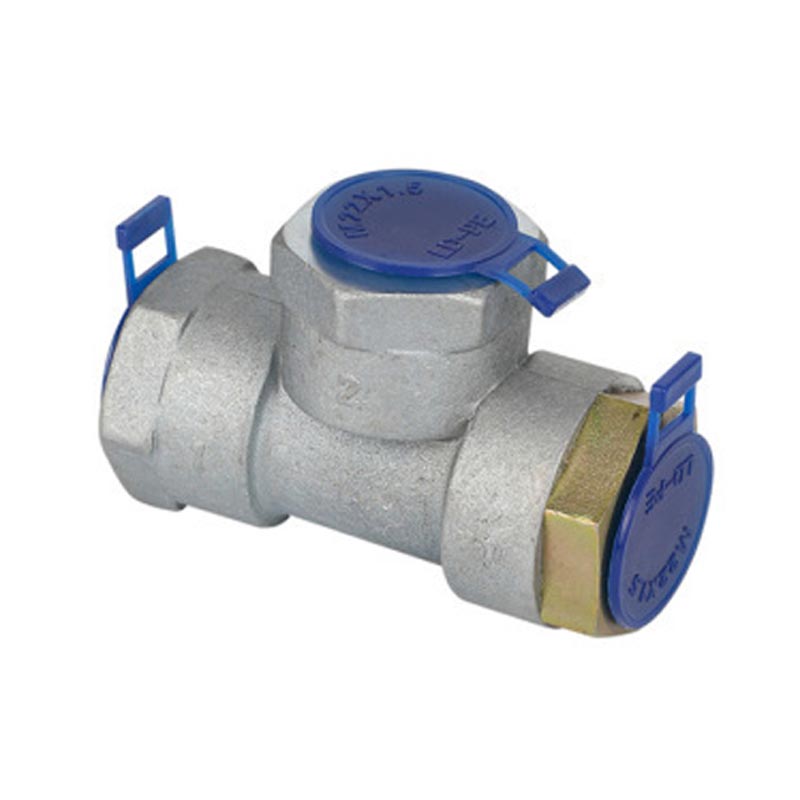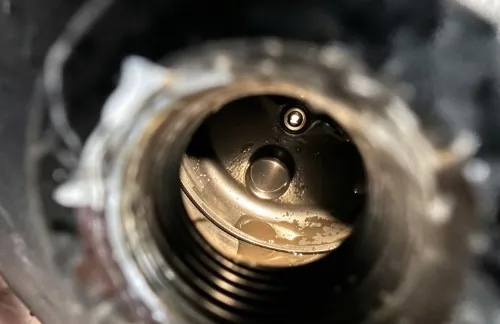
An Air Tank Automatic Drain Valve helps protect commercial vehicle brake systems by automatically discharging accumulated water and oil from compressed air tanks. Moisture buildup can cause internal corrosion, air line blockage, and freezing in cold climates. At Jiedeng, we focus on compact valve structures, built-in installation, and electric heating functions to improve drainage reliability in buses, heavy trucks, and mining vehicles. This article explains how automatic drainage supports brake safety, what design features matter, and how to select a suitable solution for different vehicle applications.
In commercial vehicles, compressed air is essential for operating pneumatic brake systems. However, the air supplied by the compressor is not completely dry. As compressed air cools inside the storage tank, moisture condenses and collects at the bottom. Compressor oil and other contaminants may also accumulate there.
From our experience working with vehicle air system components, water accumulation is a maintenance issue that should not be overlooked. If moisture remains inside the air tank for too long, it can gradually affect the performance of the entire pneumatic system.
There are three common risks:
According to the Ontario Official Air Brake Handbook, moisture and oil accumulation in air tanks can damage brake components, cause valve malfunctions, and create freezing risks in cold weather.
This is why reliable air tank drainage is an important part of commercial vehicle maintenance rather than simply an optional accessory.
An Air Tank Automatic Drain Valve is installed at the drainage position of an air storage tank. Its primary function is to discharge accumulated water and oil from the tank without requiring the driver to operate a conventional manual drain valve every time drainage is needed.
Compared with manual drainage, an automatic air tank drain valve reduces dependence on routine manual operations. This is particularly useful for buses and heavy-duty vehicles that operate for long hours or cover demanding routes.
In general, the drainage process involves three basic stages:
The actual opening frequency, discharge volume, and control logic depend on the specific valve design and vehicle configuration. These parameters should be checked against the manufacturer's technical documentation before installation.
For related vehicle air system components, see our Brake System Components and Air Tank Drain Valve product categories.
Automatic drainage improves brake system reliability mainly by reducing the amount of moisture and oil that remains inside the air reservoir. It does not directly increase braking force or replace the vehicle's braking control components. Instead, it helps maintain the operating conditions required by pneumatic brake systems.
Water and compressor oil can accumulate at the bottom of an air tank. If the mixture moves downstream, it may contaminate air brake valves, seals, and other pneumatic components.
Our automatic drainage solution is designed to discharge accumulated liquid before it creates unnecessary problems for the connected air system. This helps reduce moisture-related maintenance risks and supports more consistent pneumatic operation.
Cold weather creates another challenge. Water remaining inside the air tank or connected air passages may freeze and restrict airflow. In severe cases, ice formation can interfere with valve movement and brake system operation.
For vehicles operating in northern regions, mountainous areas, or locations with significant seasonal temperature changes, drainage performance becomes particularly important. An automatic drain valve equipped with a heating function can help prevent the drainage mechanism itself from freezing.
Manual drain valves require regular inspection and operation. On vehicles with multiple air reservoirs, this maintenance task can become inconvenient, especially for large fleets.
An automatic air tank drain valve reduces the need for repeated manual operation. However, we still recommend periodic inspection to confirm that the valve is functioning correctly and that the discharged liquid is within a normal range.
| Common Air System Problem | Possible Consequence | How Automatic Drainage Helps |
|---|---|---|
| Water accumulation | Moisture contamination and internal corrosion | Discharges accumulated liquid from the tank |
| Oil and water mixing | Sludge formation and valve contamination | Helps remove accumulated oil-water mixtures |
| Low-temperature freezing | Drainage blockage and restricted airflow | Heating function helps maintain valve operation in cold conditions |
| Missed manual drainage | Extended moisture accumulation | Reduces dependence on routine manual operation |
When developing an Air Tank Automatic Drain Valve, we pay attention to more than just its drainage function. Installation space, vehicle ground clearance, environmental conditions, and long-term operating stability all influence the actual performance of the product.
Many buses and commercial vehicles have limited space between the chassis and the road surface. A conventional externally mounted valve may create additional installation clearance requirements.
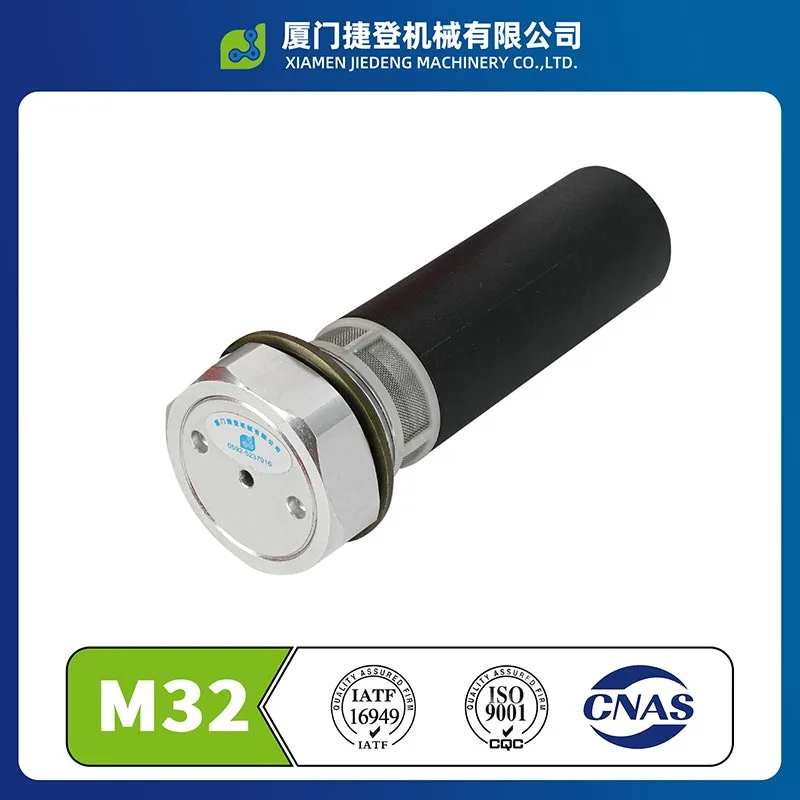
Our Jiedeng built-in automatic drain valve adopts an embedded structure inside the air storage tank. Only approximately 10 mm of the nut section remains exposed after installation. This compact arrangement reduces external protrusion and helps improve ground clearance suitability for low-chassis buses.
For vehicles operating in cold climates, we provide an automatic drain valve with a heating function. This feature helps maintain normal drainage operation when low temperatures increase the risk of ice formation around the valve mechanism.
It is important to understand that heating the drain valve does not remove all moisture from the entire pneumatic system or replace an air dryer. The air dryer, air reservoirs, pipelines, and drain components still require appropriate inspection and maintenance.
Vehicle components may experience substantial environmental changes during daily operation. A bus operating in a cold northern region faces different challenges from a vehicle working in a hot and humid subtropical environment.
Through cooperation with multiple bus and vehicle manufacturers, Jiedeng has carried out product application and stability verification in different climate conditions, from cold regions to subtropical high-temperature environments.
These application experiences help us evaluate product suitability under different vehicle operating conditions rather than relying only on laboratory specifications.
In winter, accumulated water inside a pneumatic system may freeze and restrict the movement of valves or the flow of compressed air. Even when an air tank is designed for regular drainage, the drain mechanism itself can become vulnerable to freezing.
This is where a heated automatic drain valve becomes useful.
Our heated drain valve is designed to help maintain normal drainage operation in cold environments. By reducing the risk of ice formation around the drainage mechanism, the heating function supports more reliable discharge of accumulated water and oil.
For fleet operators and vehicle manufacturers, we recommend paying attention to the following points when evaluating cold-weather performance:
The Oregon Commercial Driver Manual also explains that automatic air tank drains may incorporate electric heating devices to help prevent freezing in cold weather.
Different commercial vehicles have different air storage capacities, chassis layouts, and operating conditions. We consider these differences when evaluating automatic drainage solutions.
| Vehicle Type | Typical Operating Conditions | Key Drain Valve Requirements |
|---|---|---|
| City Buses | Frequent stops, long operating hours, limited chassis clearance | Compact installation and stable automatic drainage |
| Heavy-Duty Trucks | Long-distance transportation and varying weather conditions | Reliable moisture discharge and environmental adaptability |
| Mining Trucks | Dusty working environments, heavy loads, demanding operating conditions | Durable construction and regular drainage inspection |
| Special Commercial Vehicles | Customized chassis layouts and specific pneumatic configurations | Installation compatibility and suitable control configuration |
For low-floor buses, the built-in design is particularly useful because it reduces the exposed installation height. For trucks operating in cold regions, the heating function becomes an important consideration.
We recommend selecting the valve according to the actual air tank configuration, available installation space, electrical supply, and operating environment rather than choosing solely by appearance or dimensions.
In our experience, selecting an automatic drain valve requires checking several practical details before confirming the product model. A valve that works well on one vehicle may not be directly suitable for another because of differences in tank connections, electrical systems, and installation positions.
Here are the main points we recommend evaluating:
We also recommend confirming the drainage control logic and installation instructions before mass production or fleet deployment. These details are important for ensuring that the selected component works properly with the complete air supply system.
At Xiamen Jiedeng Machinery Co., Ltd., we have been developing vehicle air system components since 2013. Our main product range includes brake system components for buses, heavy trucks, and mining trucks, as well as electric drain valves, air brake master valves, air source management units, and intelligent drainage systems.
We understand that commercial vehicle manufacturers need components that fit actual chassis structures and operating requirements. That is why we focus on compact product design, installation compatibility, and application verification.
For our Air Tank Automatic Drain Valve, several aspects deserve particular attention:
Our quality objectives include customer satisfaction of at least 95% and a first-time product inspection pass rate of at least 98%. These targets guide our ongoing work in product development, manufacturing, and quality control.
For vehicle manufacturers and component distributors looking for suitable drainage solutions, we can discuss product specifications, installation requirements, and application compatibility based on the actual vehicle project.
Learn more about our Air Tank Drain Valve solutions or explore our complete range of Brake System Components.
An Air Tank Automatic Drain Valve automatically discharges accumulated water and oil from a vehicle's compressed air reservoir. It helps reduce moisture buildup, internal corrosion, and the risk of freezing-related problems in air brake systems.
A manual drain valve requires the driver or maintenance technician to open it periodically. An automatic drain valve discharges accumulated liquid according to its control mechanism, reducing the need for repeated manual operation. Both types require appropriate inspection and maintenance.
In cold environments, water around the drainage mechanism may freeze and prevent the valve from operating properly. An electric heating function helps reduce this risk and supports normal drainage operation during winter.
No. It helps reduce moisture-related risks, but it cannot eliminate every possible cause of brake system failure. Proper air dryer maintenance, pressure monitoring, pipeline inspection, and regular brake system servicing are still necessary.
Yes, a built-in design can be particularly suitable for low-chassis buses where installation space and ground clearance are limited. Jiedeng's design leaves only approximately 10 mm of the nut section exposed, helping reduce external protrusion after installation. Actual compatibility should be confirmed against the vehicle's mounting dimensions.
Our vehicle air system product range is designed for applications involving buses, heavy trucks, and mining trucks. The appropriate drain valve configuration should be confirmed according to the air tank connection, operating pressure, electrical requirements, and vehicle installation layout.
No. An air dryer removes much of the moisture from compressed air before it enters the storage system, while an automatic drain valve discharges liquid that accumulates in the air tank. These components perform different but complementary functions.
Brake safety depends on more than the mechanical performance of brake components. Keeping the compressed air supply clean and managing moisture inside the air reservoir are also important parts of reliable vehicle operation.
An Air Tank Automatic Drain Valve helps reduce accumulated water and oil, lowers the risk of moisture-related corrosion and freezing, and reduces dependence on manual drainage. For vehicles operating in cold climates or with limited chassis installation space, heating functions and compact built-in structures offer additional practical advantages.
At Jiedeng, we continue to focus on intelligent drainage solutions for commercial vehicles, combining practical structural design with application experience across different operating environments. If you are developing a bus or heavy truck air system, choosing the right drainage configuration is an important step toward long-term operating reliability.
Related Products: Air Tank Drain Valve | Brake System Components