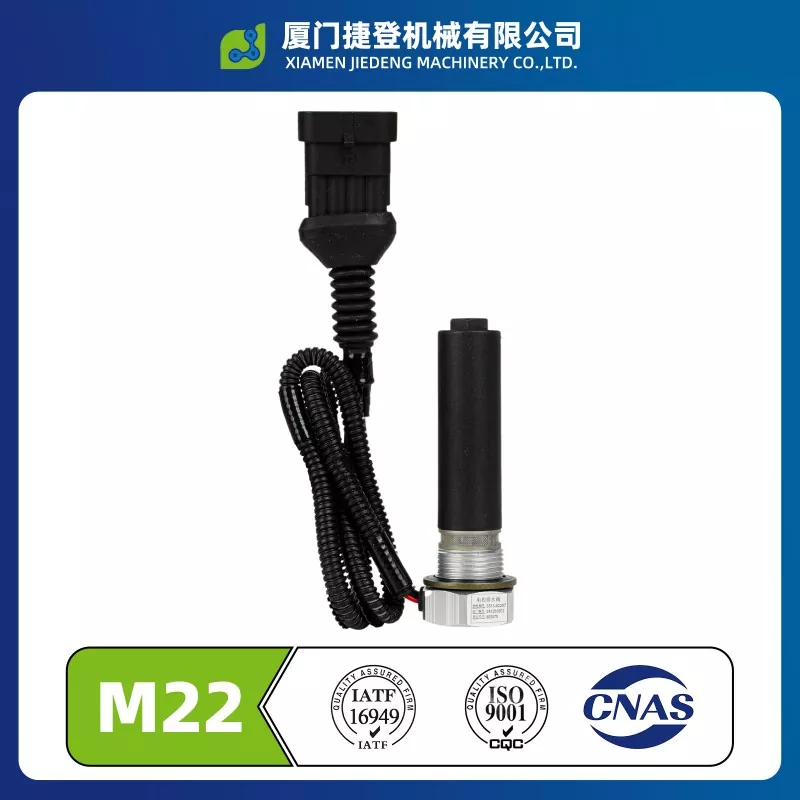
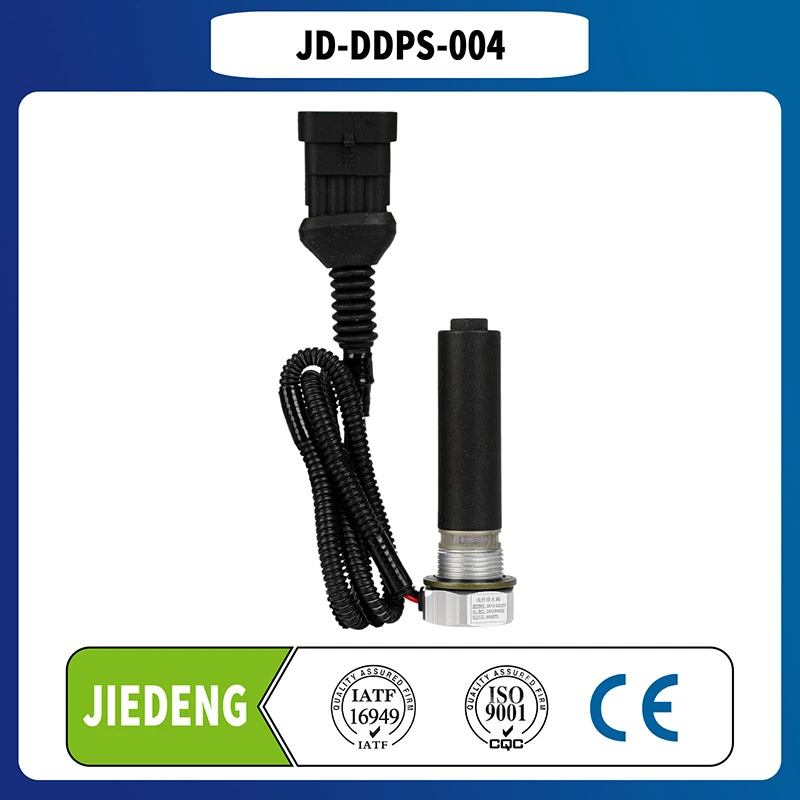
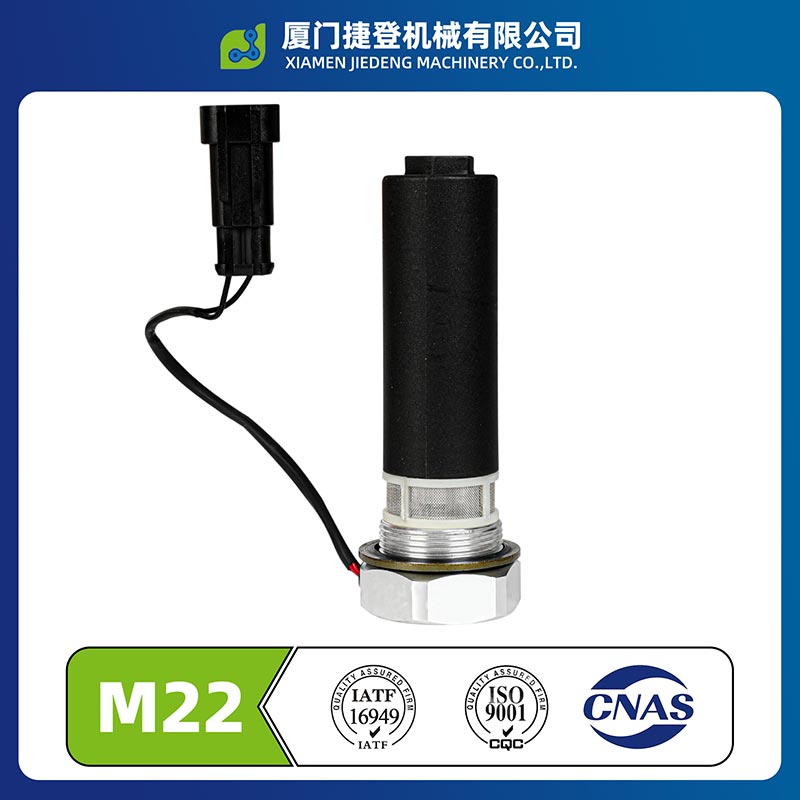
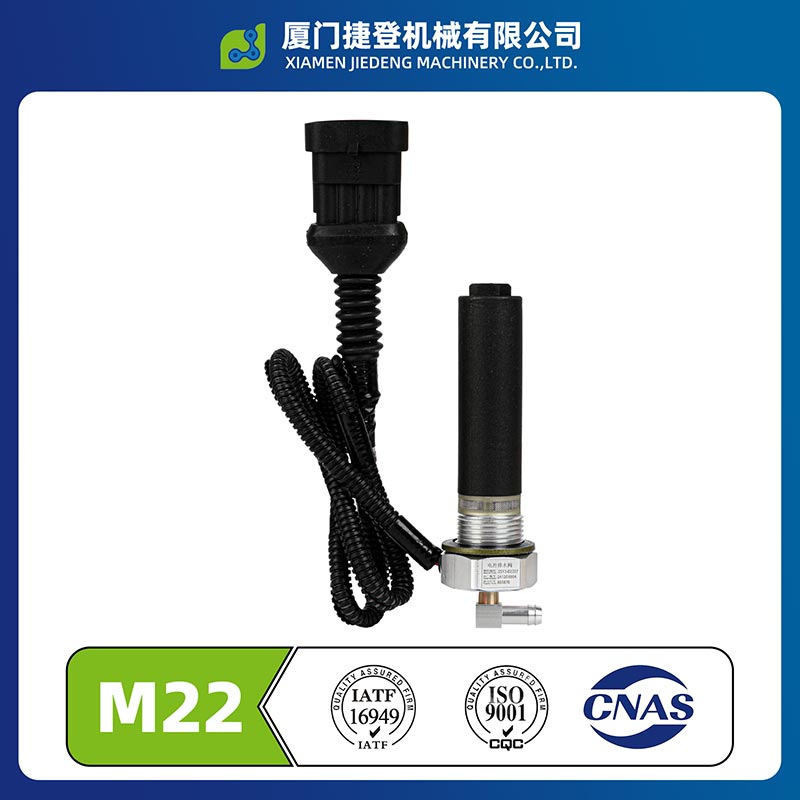
In the world of transportation, particularly in the bus industry, the performance and safety of the vehicle are
paramount. One often-overlooked component that plays a crucial role in ensuring both is the bus air tank drain valve.
These valves are essential for maintaining the air brake system's integrity and, consequently, the overall performance
of the vehicle. In this article, we will delve into why choosing high-quality bus air tank drain valves is vital for bus
operators, drivers, and maintenance teams alike.
What Are Bus Air Tank Drain Valves?
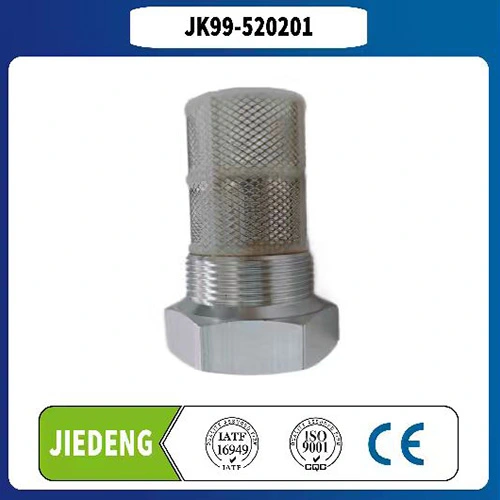
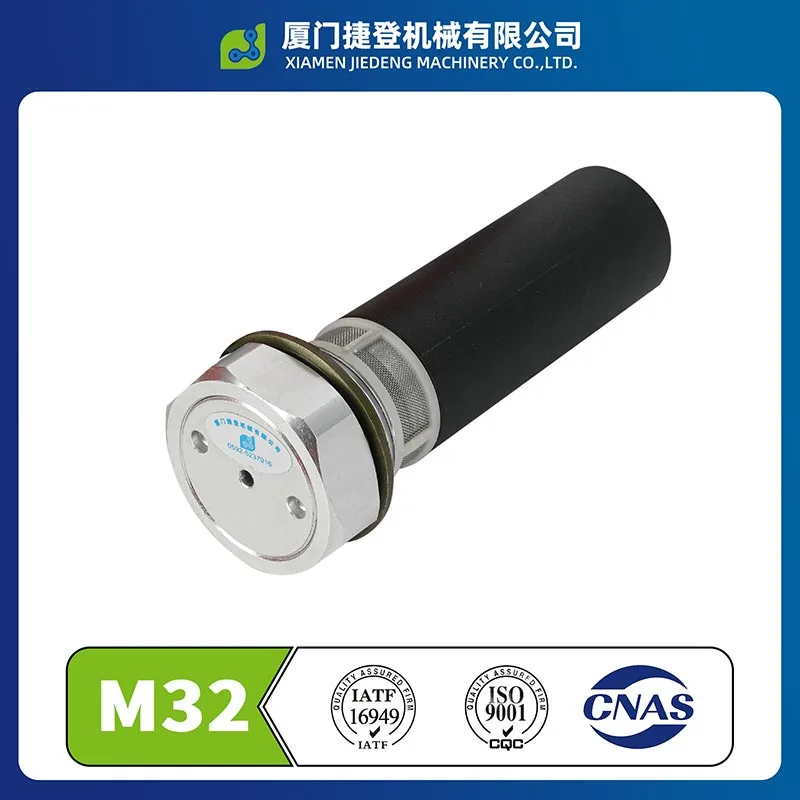
Bus air tank drain valves are devices that enable the controlled release of moisture and contaminants that accumulate in
the air tanks of a bus's air brake system. The air brake system relies on compressed air to function efficiently. Over
time, moisture can build up in the tanks, leading to corrosion, reduced efficiency, and potentially dangerous brake
system failures. Quality drain valves provide a reliable means of expelling this moisture, enhancing the longevity and
reliability of the air brake system.
How Do Bus Air Tank Drain Valves Function?
The operation of bus air tank drain valves is straightforward yet vital. Typically, these valves are designed to open
automatically or manually when a certain pressure or moisture level is reached. When activated, they release the trapped
moisture and contaminants, allowing for a clean and efficient air supply to the braking system.
Types of Bus Air Tank Drain Valves
Understanding the different types of drain valves available is crucial for making an informed decision. Here are the
primary types:
1. Automatic Drain Valves: These valves open and close automatically based on the air pressure in the tank. They are
designed to operate without manual intervention, providing convenience and ensuring that moisture is regularly
expelled.
2. Manual Drain Valves: These require a manual operation to release air and moisture. While more labor-intensive,
they allow for greater control in specific environments.
3. Electronic Drain Valves: Utilizing electronic controls, these valves can be programmed to operate under specific
conditions, offering advanced functionality for modern bus systems.
The Importance of Quality in Bus Air Tank Drain Valves
When it comes to bus air tank drain valves, quality cannot be overstated. Choosing high-quality valves comes with
numerous benefits that directly impact bus performance and safety.
1. Ensuring Safety
The primary function of the air brake system is to stop the bus effectively. Moisture buildup can lead to brake failure,
which poses a significant risk to passengers and other road users. Quality drain valves minimize this risk by ensuring
that moisture is consistently expelled.
2. Enhancing Reliability
A quality drain valve enhances the reliability of the air brake system, ensuring that it functions correctly during
operation. This reliability is crucial for public transport systems where safety and punctuality are paramount.
3. Reducing Maintenance Costs
Investing in high-quality bus air tank drain valves can lead to significant savings in maintenance costs. Regular
replacement of low-quality valves can be costly, not just in terms of parts but also in labor and potential downtime.
Quality valves tend to have longer service lives, reducing the frequency of replacement and repairs.
4. Improving Performance
With moisture effectively managed, the air brake system can maintain optimal performance. This leads to better fuel
efficiency, smoother operation, and overall improved driving experience for bus drivers.
How to Choose Quality Bus Air Tank Drain Valves
Selecting the right bus air tank drain valves involves understanding the specific needs of your bus fleet and the
operating conditions they face.
1. Consider the Material
Quality valves are often made from durable materials such as brass or stainless steel. These materials offer better
resistance to corrosion and wear, ensuring a longer lifespan.
2. Examine the Manufacturer’s Reputation
Opt for valves from reputable manufacturers known for their commitment to quality and reliability. Research customer
reviews and consider manufacturers who provide warranties or guarantees on their products.
3. Check Compatibility
Ensure that the chosen valves are compatible with the specific air brake system of your buses. Compatibility issues can
lead to inefficient performance and increased risk of failure.
4. Evaluate the Design
A well-designed valve will facilitate smooth operation and maintenance. Look for features such as easy access for manual
drainage and efficient sealing mechanisms.
Maintenance Tips for Bus Air Tank Drain Valves
To prolong the life of your bus air tank drain valves and ensure they operate effectively, regular maintenance is
necessary.
1. Regular Inspections
Conduct routine inspections of the drain valves to check for signs of wear, corrosion, or leaks. Timely identification
of issues can prevent more significant problems down the road.
2. Clean the Valves
Debris and contaminants can build up around the valve openings. Regular cleaning helps ensure that the valves operate
smoothly and is particularly important in harsh operating environments.
3. Test for Functionality
Periodically test the valves to ensure they are operating correctly. This includes checking that automatic valves
activate as designed and that manual valves can be easily operated.
Common Issues with Bus Air Tank Drain Valves
Understanding common problems associated with bus air tank drain valves can help in timely maintenance and replacement,
ensuring operational safety.
1. Corrosion
Corrosion is a frequent issue due to moisture exposure. Quality valves made from corrosion-resistant materials are less
prone to this problem.
2. Clogging
Debris can block the valve's opening, preventing proper drainage. Regular cleaning and inspection can mitigate this
problem.
3. Leakage
Leaks can occur due to wear and tear, which can compromise the air system's integrity. Addressing leaks immediately is
crucial to maintaining optimal performance.
Frequently Asked Questions (FAQs)
1. How often should I replace bus air tank drain valves?
The replacement frequency can vary, but generally, it's advisable to inspect and potentially replace them every 1-2
years or as dictated by wear and tear.
2. Can I use any type of drain valve for my bus?
No, it’s essential to choose a drain valve that is compatible with your bus’s specific air brake system for optimal
performance.
3. What are the signs of a failing air tank drain valve?
Common signs include moisture accumulation in the air tanks, reduced braking performance, and visible damage or
corrosion on the valve.
4. Is it worth investing in high-quality drain valves?
Absolutely! High-quality drain valves enhance safety, reliability, and longevity, ultimately saving costs associated
with repairs and maintenance.
5. How can I improve the lifespan of my bus air tank drain valves?
Implement regular maintenance practices, including inspections, cleaning, and prompt replacement of worn components to
ensure the valves operate effectively.
Conclusion
In summary, quality bus air tank drain valves are an indispensable component of any bus's air brake system. Their role
in maintaining safety, reliability, and performance cannot be understated. By investing in high-quality valves and
committing to regular maintenance, bus operators can ensure that their vehicles remain efficient, safe, and reliable.
Choosing the right valves involves understanding their types, materials, and manufacturer reputations, ultimately
leading to improved outcomes for both the operators and passengers. Prioritizing the quality of these components ensures
better performance and a safer driving experience, making it a worthwhile investment in the long run.
We use cookies to offer you a better browsing experience, analyze site traffic and personalize content. By using this site, you agree to our use of cookies. Privacy Policy