The reliability of commercial vehicle braking systems depends not only on mechanical components but also on the quality of compressed air supplied throughout the pneumatic network. Trucks, trailers, buses, and other heavy-duty vehicles rely on compressed air to operate braking mechanisms, suspension systems, and auxiliary equipment. During air compression and cooling, moisture can accumulate inside storage reservoirs, creating maintenance challenges and potentially affecting the performance of pneumatic components. As fleet operators place greater emphasis on vehicle reliability and preventive maintenance, the Air Tank Automatic Drain Valve is becoming an increasingly important component in commercial vehicle air management systems.
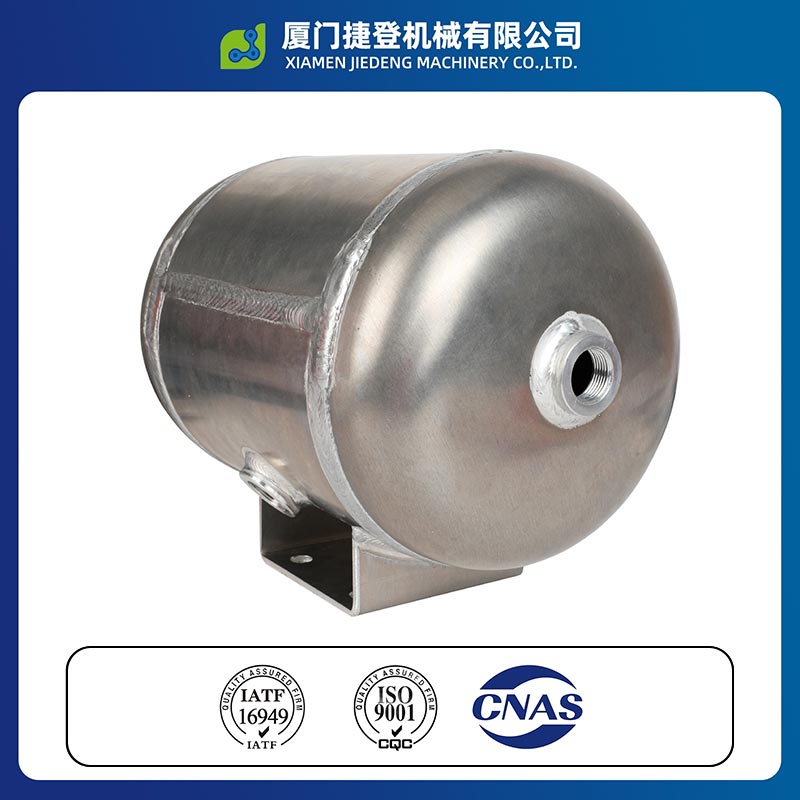
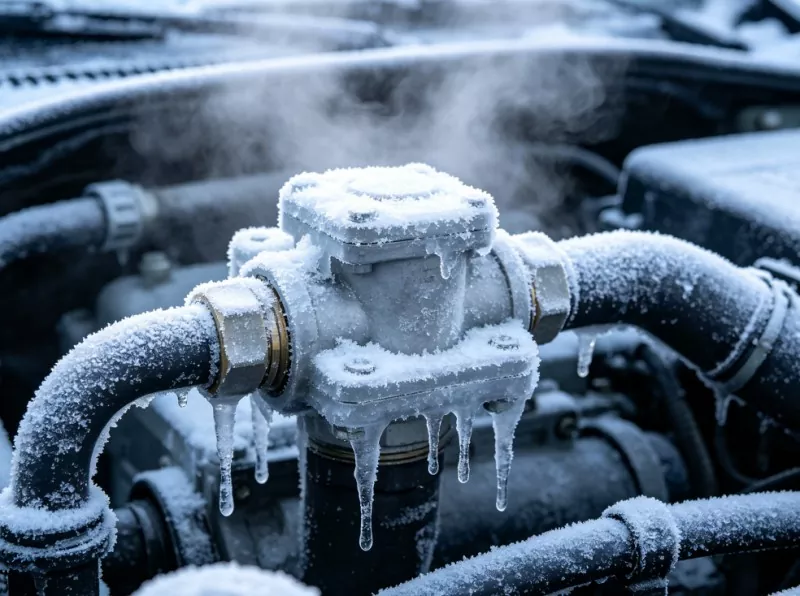
Compressed air naturally contains moisture, which can condense into liquid water as air cools inside storage tanks. If this accumulated condensate is not discharged regularly, it may contribute to internal corrosion, contamination of pneumatic lines, and deterioration of certain valves and seals. In low-temperature operating environments, accumulated water can also freeze and interfere with the movement of pneumatic components.
These conditions make reservoir drainage an important part of commercial vehicle maintenance. Traditional manual drain valves require regular inspection and intervention by maintenance personnel. For large fleets operating across different routes and weather conditions, relying exclusively on manual drainage can make maintenance schedules more demanding.
An Air Tank Automatic Drain Valve provides an alternative by discharging accumulated condensate according to its control mechanism. By automating the drainage process, this component can reduce dependence on manual tank draining and support more consistent moisture management. Its contribution to vehicle safety is indirect but important: maintaining cleaner compressed-air systems helps reduce moisture-related risks that may affect pneumatic equipment.
Automatic drain valves are designed to release collected water and contaminants from compressed-air reservoirs through controlled valve operation. Depending on the product design, the drainage process may be managed through electronic timing, pressure-cycle signals, or other control arrangements.
Compared with conventional manual drainage, automatic operation offers several practical advantages for commercial vehicle fleets. Maintenance personnel have fewer routine manual drainage tasks, while vehicle operators can benefit from a more systematic approach to condensate removal.
The Air Tank Automatic Drain Valve is particularly relevant to vehicles that operate for extended periods, cover long distances, or work under changing environmental conditions. Long-haul trucks and tractor-trailer combinations, for example, depend on stable pneumatic performance throughout extended transportation cycles. Urban delivery vehicles experience frequent operating cycles, while construction trucks may encounter humid, dusty, and demanding working environments.
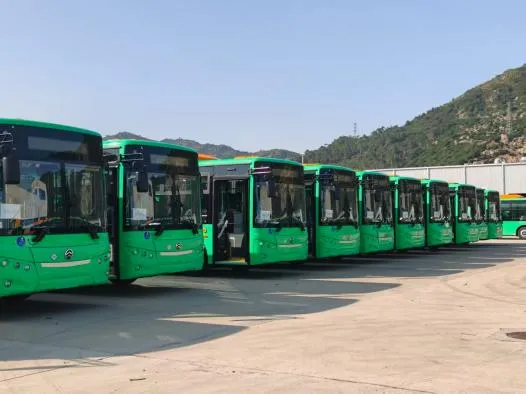
For bus operators, moisture management is equally relevant because compressed-air systems support multiple vehicle functions. Selecting an appropriate automatic drain valve for bus air reservoirs can help fleet maintenance teams manage condensate accumulation as part of their regular pneumatic system servicing procedures.
As automatic drainage technology develops, selecting a suitable valve requires more than considering its general application. Working pressure, electrical configuration, connection dimensions, operating temperature, and installation requirements should all be evaluated before procurement.
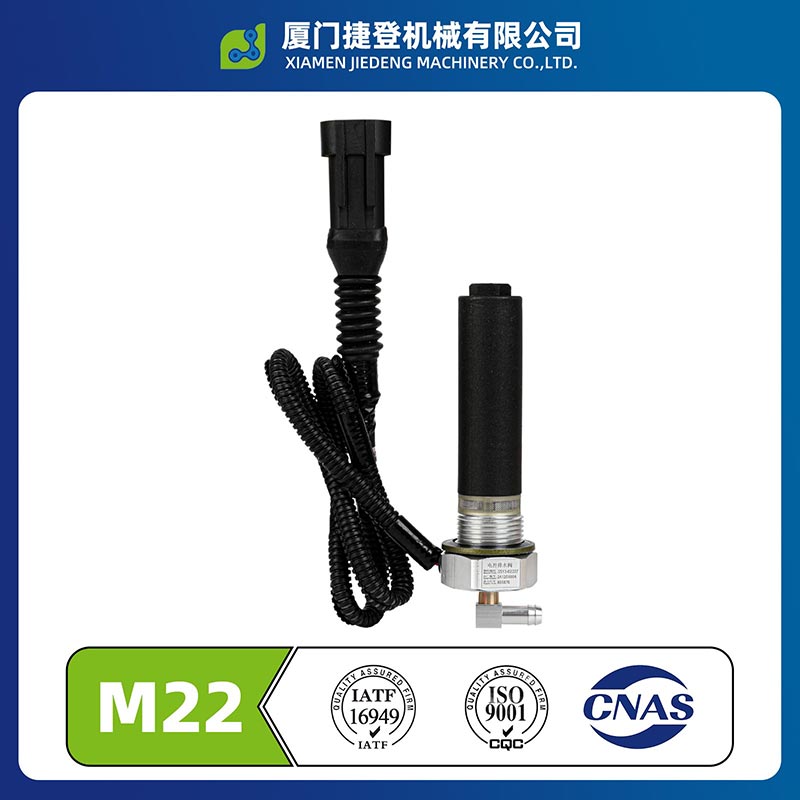
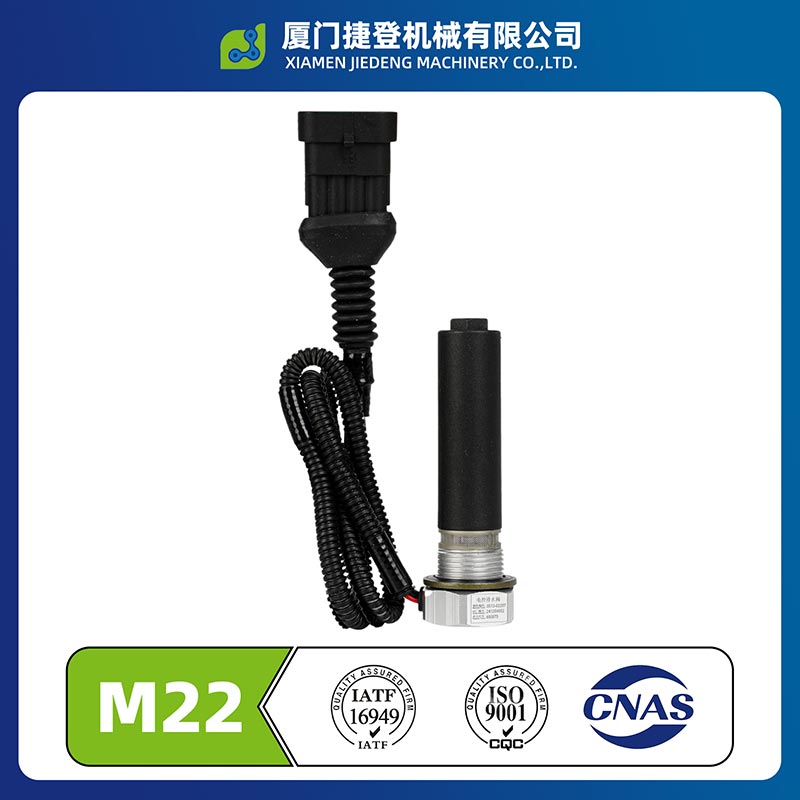
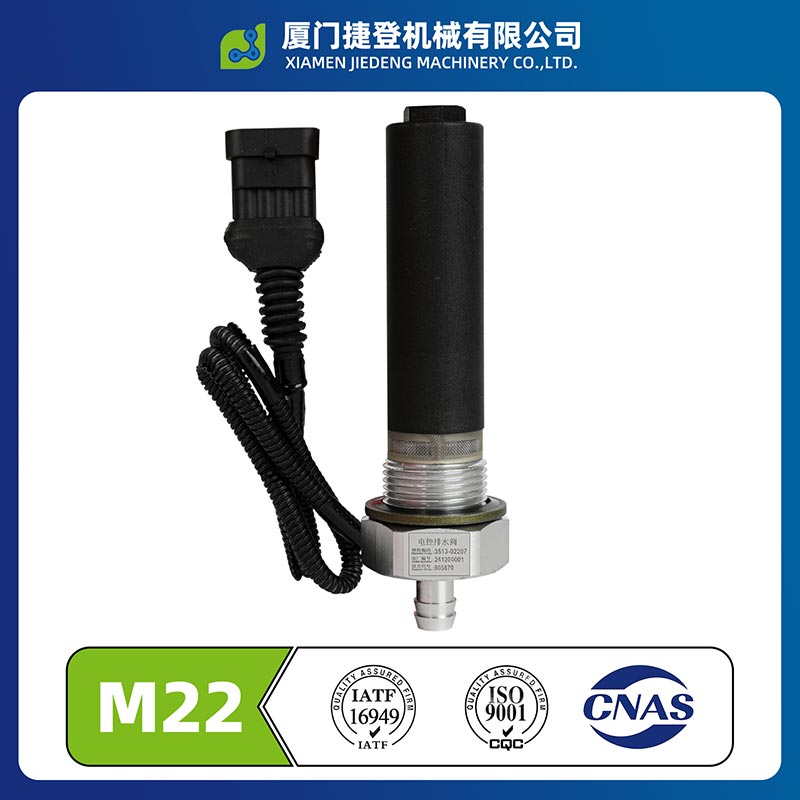
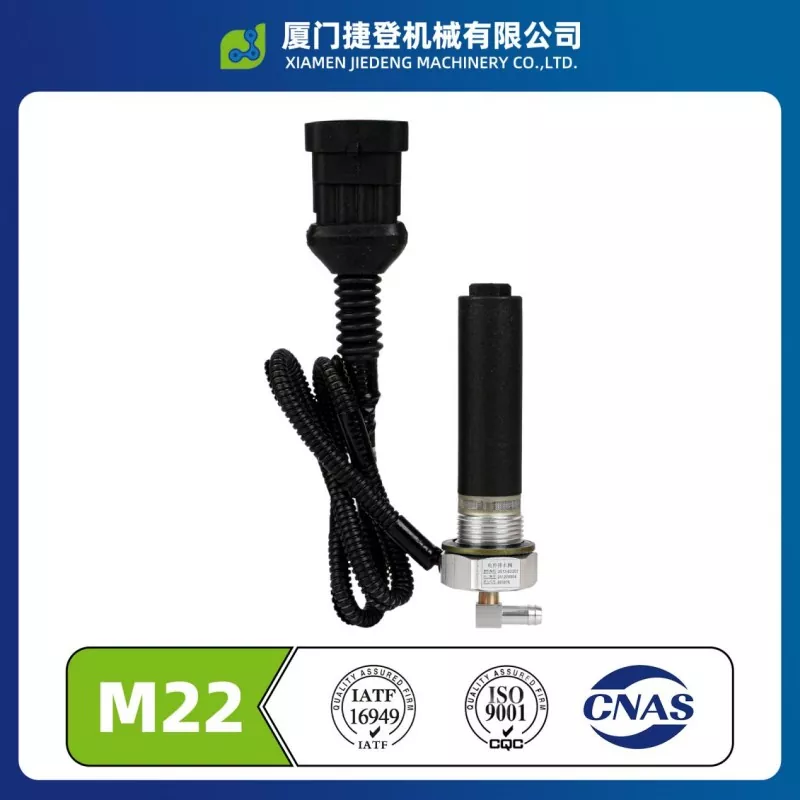
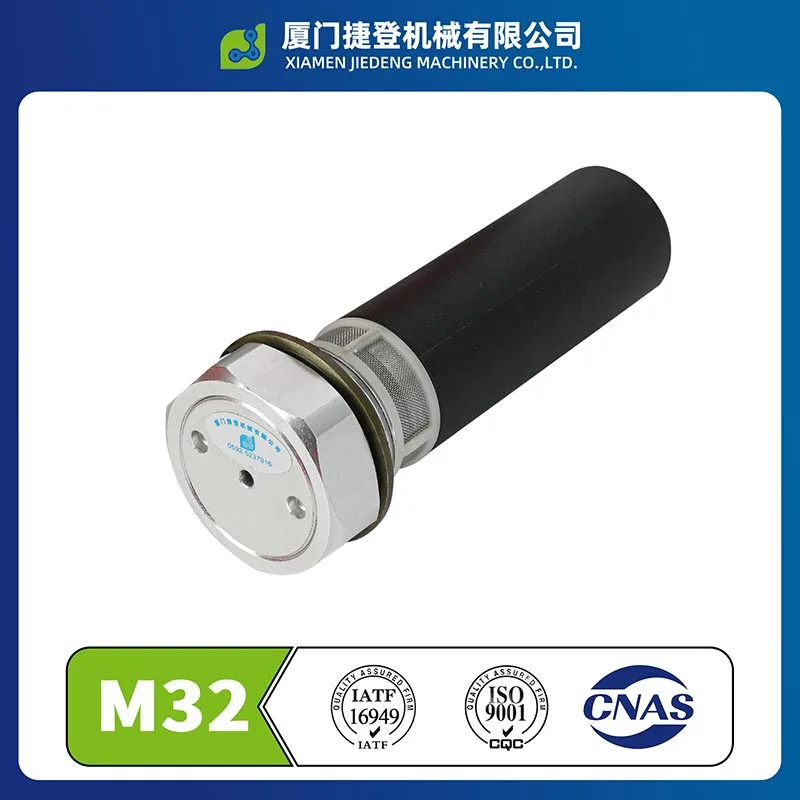
For example, XIAMEN JIEDENG's Model 001 standard non-heated automatic drain valve is designed for commercial vehicle compressed-air reservoir applications. Its listed technical configuration includes a working pressure range of 0.8–1.2 MPa, 12V/24V DC electrical options, and NPT 3/8-inch or M22×1.5 connection options.
The product uses a combination of high-grade brass and anodized aluminum components. Its non-heated configuration provides an alternative for applications that do not require an integrated heating element. However, fleet operators working in freezing environments should assess the actual temperature rating and installation conditions before selecting a non-heated model.
Electrical compatibility is another important consideration. A valve designed for a 12V vehicle electrical system may not be directly interchangeable with a 24V configuration unless the product supports the required voltage. Likewise, thread specifications and sealing arrangements must match the reservoir's drain port to ensure proper installation.
These factors demonstrate why technical documentation and model-specific compatibility checks remain essential when purchasing an Air Tank Automatic Drain Valve for different vehicle platforms.
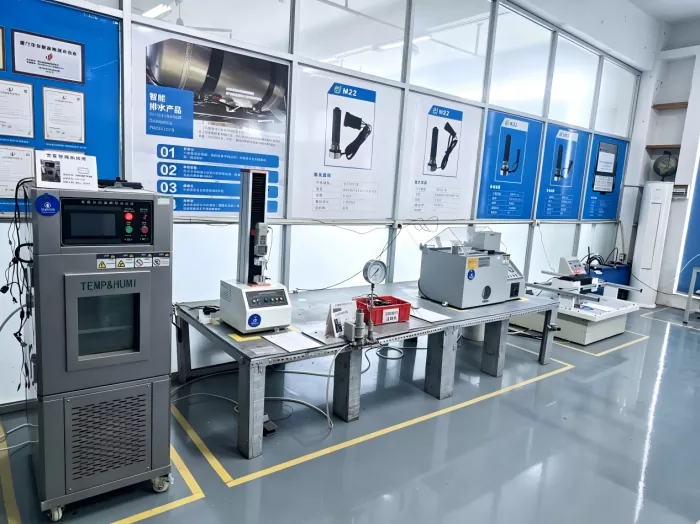
The growing demand for dependable pneumatic components has encouraged manufacturers to focus on product consistency, material selection, and functional testing. Drain valves must operate under pressure variations, vibration, temperature changes, and repeated actuation cycles throughout their service life.
XIAMEN JIEDENG has more than two decades of experience in the research and manufacturing of commercial vehicle pneumatic components. Its Model 001 series reflects the company's focus on automatic condensate discharge solutions for truck, trailer, and bus air reservoir systems.
For OEM buyers and automotive component distributors, manufacturing capability is only one part of supplier evaluation. Product specifications, connection compatibility, electrical requirements, inspection procedures, and customization availability are also relevant when establishing a long-term supply relationship.
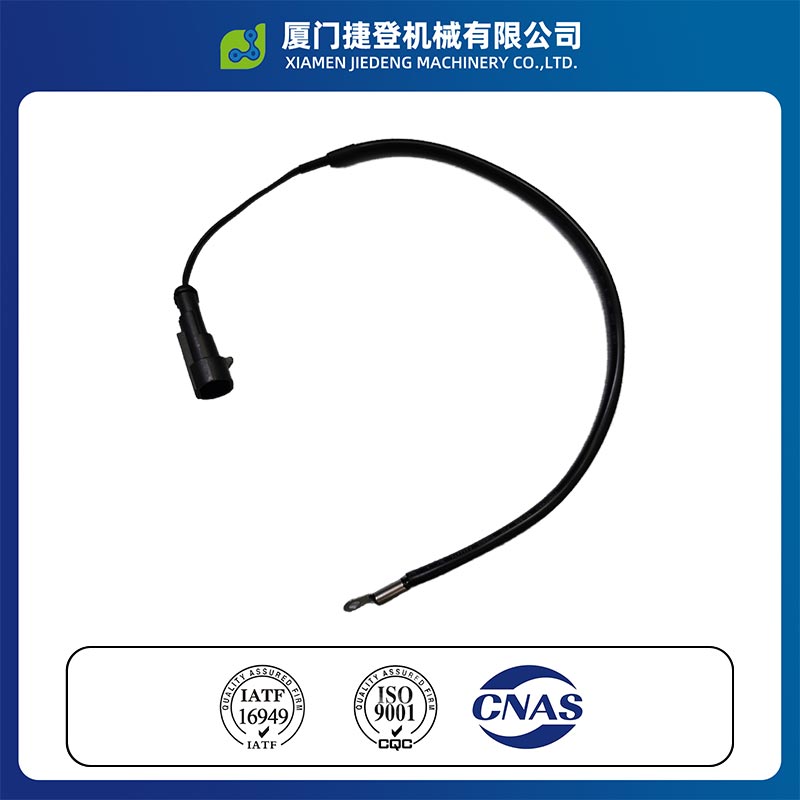
Depending on the confirmed product configuration, OEM requirements may involve connection specifications, wiring harness arrangements, and mounting details. Consistent technical communication between vehicle manufacturers, component suppliers, and purchasing teams helps reduce compatibility issues during product integration.
Commercial vehicle maintenance is increasingly shifting toward preventive management rather than relying solely on repairs after component failures occur. Within this trend, automatic condensate drainage offers a practical way to reduce routine manual intervention and support the maintenance of compressed-air reservoirs.
The Air Tank Automatic Drain Valve is not a replacement for air dryer maintenance, reservoir inspection, or regular brake system servicing. Instead, it serves as one component within a broader compressed-air management strategy. Its effectiveness depends on appropriate product selection, correct installation, compatible electrical connections, and regular inspection.
As commercial transportation fleets continue to prioritize operational reliability and maintenance efficiency, automatic drainage solutions are expected to remain relevant in the development of vehicle pneumatic systems. Manufacturers such as XIAMEN JIEDENG are contributing to this market through dedicated commercial vehicle drain valve solutions, including the Model 001 non-heated configuration.
For fleet operators, OEM manufacturers, and aftermarket distributors, understanding the technical requirements of an Air Tank Automatic Drain Valve is an important step toward selecting suitable pneumatic components and maintaining dependable commercial vehicle air systems.
-